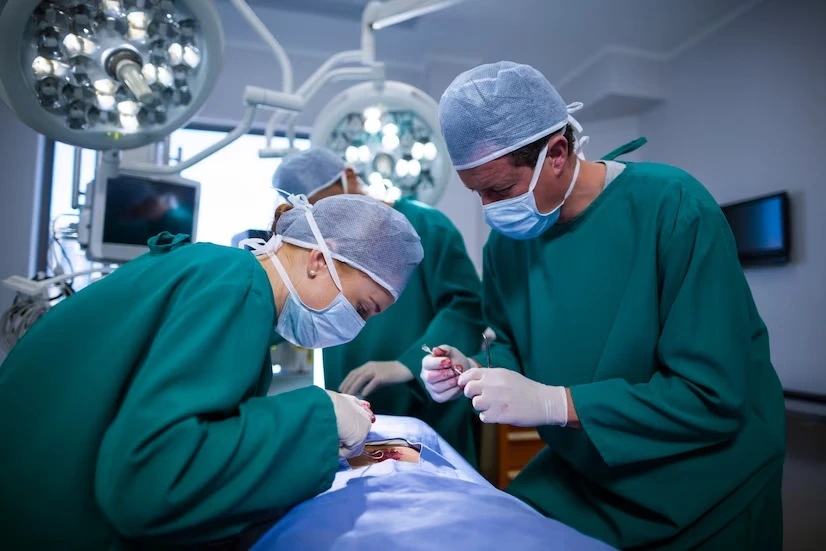
Bochdalek hernia is predominantly a congenital hernia. However, a small population of adults also encounter Bochdalek hernias occasionally. A Bochdalek hernia occurs on the side of the diaphragm toward the back, mostly on the left-hand side. A weak spot in the diaphragm permitting the herniation of the abdominal content into the chest or thoracic cavity results in a Bochdalek hernia. Bochdalek hernias can cause problems, but they can be fixed with surgery. People might not even realize they have them. If a doctor finds one by accident, it’s usually best to fix it right away. Bochdalek Hernia in Adults Symptoms The symptoms of a Bochdalek hernia depend on the condition of the herniation. Since the herniated abdominal contents move into the thoracic cavity both respiratory and gastrointestinal complications are expected to arise. Respiratory Symptoms When the abdominal contents press against the organs in the chest cavity the following symptoms may arise: Shortness of breath: When the herniated organs press the lungs, you may feel suffocated and tend to breathe rapidly. This results in shortness of breath. Chest pain: Chest pain is common due to a Bochdalek hernia as the abdominal organs move into the chest cavity. Respiratory infections: You may get repeated respiratory infections and respiratory failures are also possible. Gastrointestinal Symptoms The abnormal movement of the abdominal contents results in complicating the organs. This can lead to problems like: Abdominal pain: The twisting and turning of the abdominal organs while moving from the abdominal cavity to the thoracic cavity through the weak spot or opening can result in volvulus, leading to intestinal obstruction and abdominal pain. Nausea and vomiting: When the intestines get obstructed, indigestion follows resulting in nausea and vomiting. The appetite to eat may also decrease. Constipation: With bowel obstruction, constipation, bloating, and abdominal distension also become common. Other Symptoms The other symptoms associated with Bochdalek hernia that can be observed on the surface of the skin include Mass in the chest: You can feel a mass or lump of the hernia on your body surface near the diaphragm region. The Bochdalek hernias appear mostly on the left side of the body, and you may sense this lump of a hernia on your left side. It may not be too bulged, but you can still sense a mass of a body part protruding in that region. Discoloration of skin: The skin covering the area where the hernia constricts the internal body parts may become discolored due to the decrease in blood and oxygen supply to that area. What is the Cause of Bochdalek Hernia in Adults? The cause of Bochdalek hernia in adults is still under question as it occurs rarely due to no solid reason other than the possibility of a congenital defect. Yet the possible reasons behind a Bochdalek hernia in adults may include Blunt injuries Trauma due to accidents Surgical interventions in the abdominal or chest region Pregnancy Obesity, etc. Conclusion Bochdalek hernias are rarer. It is more common only in infants. Yet, when the Bochdalek hernia is asymptomatic during infancy there exists a possibility for the hernia to be carried into adulthood, which may manifest later in life. Some Bochdalek hernias are symptomatic while others are asymptomatic. Asymptomatic hernias may or may not get discovered. However, asymptomatic hernias can be identified via noticeable symptoms and diagnosed through imaging and other examinations. It’s best to diagnose and treat a Bochdalek hernia as early as possible. So, visit an expert hernia surgeon if you experience any of the Bochdalek hernia symptoms. To know more about Bochdalek hernias, their symptoms, causes, and how to effectively treat them, contact a hernia specialist. Contact Form NameEmailPhone NoYour MessageBook Consultation Dr. K. Amilthan MBBS., MS., FMAS., FALS. Heal Your Hernia Now: 15+ Years of Experience 3,000+ Surgeries Your Journey to Wellness Begins with us. Book Appointment Edit Template Dr. Amilthan Dr. Amilthan is a renowned laparoscopic hernia surgeon based in Chennai, with over 15+ years of experience in general surgery. He completed his MBBS and MS in General Surgery at Kilpauk Medical College and Government Royapettah Hospital in Chennai. Edit Template All Posts Hernia Blog MAYDL’S HERNIA A hernia occurs when an organ or any other part of your body pushes through the muscle and surrounding tissue… Read More Gilbert Classification of Hernia An inguinal hernia occurs when the organs push through and bulge against the weak muscles of the abdomen. An effective… Read More Difference Between Hernia And Appendix Whether you have a hernia or appendicitis, the main symptom you will experience is stomach pain. So, it might be… Read More Load More End of Content.
BOCHDALEK HERNIA VS HIATAL HERNIA
Hernias occur as a result of weak spots inside the body that enable the contents of the body to be displaced from their original position. Bochdalek and hiatal hernias occur as a result of weak diaphragmatic muscles. In a Bochdalek hernia, the abdominal contents herniate through the foramen of Bochdalek which is situated in the diaphragm. In a hiatal hernia, the abdominal contents herniate through the esophageal hiatus. Though both Bochdalek and hiatal hernia are diaphragmatic hernias they are quite different from each other in some aspects. Bochdalek Hernia Vs Hiatal Hernia BOCHDALEK HERNIA HIATAL HERNIA Bochdalek hernias are prominently congenital, i.e., they are associated with birth. Hiatal hernias are both congenital and acquired. They develop mostly during adulthood. Herniation occurs via the foramen of Bochdalek. Herniation occurs via the esophageal hiatus. The omentum, intestine and other abdominal contents herniate. The stomach herniates to the thoracic cavity most of the time. Bochdalek hernia occurs mostly on the life side of the diaphragm, especially toward the back. A hiatal hernia occurs in the esophageal channel. Bochdalek hernia is almost invisible on the surface of the body. Hiatal hernias are also invisible on the surface of the body. The abdominal contents move into the thoracic cavity in the case of Bochdalek hernia. The abdominal contents move into the thoracic cavity in the case of hiatal hernia as well. Can turn fatal. Hiatal hernia is fatal. Can cause intestinal obstruction and complicate digestion function. Can cause obstruction, incarceration, and strangulation of the abdominal contents. Can be asymptomatic. Is occasionally asymptomatic. Must be repaired as quickly as possible. Must be repaired immediately on diagnosis to prevent adverse scenarios. Laparoscopy is widely employed to repair Bochdalek hernia. Laparoscopy and laparotomy can be used to repair a hiatal hernia. Named after the Czech pathologist, Vincent Alexander Bochdalek. Named after the association of esophageal hiatus in this case. Symptoms of Bochdalek and Hiatal Hernia The symptoms of a Bochdalek hernia and a hiatal hernia are more or less similar to one another. BOCHDALEK HERNIA HIATAL HERNIA Abdominal pain Abdominal pain Chest pain Chest pain Indigestion Indigestion Difficulty in swallowing food Difficulty in swallowing food Nausea Nausea Vomiting Vomiting Bloating Bloating Shortness of breath Chronic heartburn Discoloration of skin covering the hernia region. Gastric volvulus Causes of Bochdalek and Hiatal Hernia Bochdalek hernias are congenital typically. When the diaphragm does not develop completely during the embryonic stage it can result in a Bochdalek hernia. Hiatal hernias on the other hand are usually acquired. The other factors that could cause Bochdalek and hiatal hernia include: Pregnancy Obesity Blunt injuries Surgical interventions Chronic coughs Chronic constipation Strenuous activities, etc. Treatment for Bochdalek and Hiatal Hernia Both Bochdalek and hiatal hernias require surgical intervention as they can get complicated very easily. A proper diagnosis of Bochdalek and hiatal hernia is first employed followed by the preparation for surgery. Bochdalek is usually repaired via laparoscopy. A hiatal hernia can be repaired either through laparoscopy or through laparotomy. The choice of surgery depends upon factors such as the patient’s age, health condition, severity of the hernia, and the suggestion of the surgeon. Conclusion Bochdalek and hiatal hernias can pose a serious threat to one’s health. Therefore, it is important to repair them as soon as possible via surgery. There are modern surgical techniques available to treat both Bochdalek and hiatal hernias. These techniques include quick recovery, less pain, and a higher success rate. Therefore, visit a hernia specialist as quickly as possible if you encounter any symptoms of Bochdalek or hiatal hernia. To know more about diaphragmatic hernias like Bochdalek and hiatal hernia, consult a hernia specialist. Contact Form NameEmailPhone NoYour MessageBook Consultation Dr. K. Amilthan MBBS., MS., FMAS., FALS. Heal Your Hernia Now: 15+ Years of Experience 3,000+ Surgeries Your Journey to Wellness Begins with us. Book Appointment Edit Template FAQ’s What are the two main types of hiatal hernias? Sliding hernia and paraesophageal hernia are the two main types of hiatal hernias. What is the triangle of Bochdalek? The lumbocostal triangle situated in the diaphragm is called the Bochdalek’s triangle or the foramen of Bochdalek. Can an adult have a left Bochdalek hernia? Congenital Bochdalek hernias are prominent. Acquiring Bochdalek hernias later in life is less common. Yet adults still can incur a Bochdalek hernia that occurs mostly on the left side of the diaphragm. Dr. Amilthan Dr. Amilthan is a renowned laparoscopic hernia surgeon based in Chennai, with over 15+ years of experience in general surgery. He completed his MBBS and MS in General Surgery at Kilpauk Medical College and Government Royapettah Hospital in Chennai. Edit Template All Posts Hernia Blog MAYDL’S HERNIA A hernia occurs when an organ or any other part of your body pushes through the muscle and surrounding tissue… Read More Gilbert Classification of Hernia An inguinal hernia occurs when the organs push through and bulge against the weak muscles of the abdomen. An effective… Read More Difference Between Hernia And Appendix Whether you have a hernia or appendicitis, the main symptom you will experience is stomach pain. So, it might be… Read More Load More End of Content.
Can Hernia be Diagnosed by Ultrasound
Yes, hernias can be diagnosed using ultrasound techniques. Diagnostic ultrasounds are typically used for the diagnosis of groin and abdominal wall hernias over other kinds of hernias. Hernia diagnosis is the first step in a hernia repair process. Without a proper hernia diagnosis, effective hernia repair cannot be done. Ultrasound is one of the most effective diagnostic tools in hernia diagnosis and is widely employed by specialists. Role of Ultrasound in Hernia Diagnosis Ultrasound or sonography is an effective technique in diagnosing a hernia. When considering how a hernia is diagnosed, sound waves are sent to the body part under examination, reflecting images onto a computer screen through a transducer. You may be asked to hold your breath and change position to obtain clear images of the structures under examination. The entire diagnosis typically takes no more than 20 to 30 minutes and is not painful. Ultrasound in Groin Hernia Diagnosis Ultrasound helps in diagnosing whether the hernia protrudes through the inguinal or femoral ring or canal. In recurrent groin hernias, the ultrasound technique helps in identifying the condition of muscles and tissues around the hernia and the position or displacement of the mesh placed during the previous hernia repair surgery. Ultrasound in Abdominal Wall Hernia Diagnosis Umbilical hernias, epigastric hernias, and lateral ventral hernias can be easily diagnosed using ultrasound scans. The size of the hernia and the contents of the hernia sac can be identified via the images transmitted using ultrasonography. You may be asked not to have any food and consume only water at least six hours before the diagnosis of abdominal wall hernias using ultrasonography. This will help prevent any interruption in proper imaging of the abdominal organs. Advantages of Ultrasound in Hernia Diagnosis The benefits of using ultrasound in hernia diagnosis include: Helpful in measuring the dimensions of the hernia Identify the organs near the hernia Assess the condition of muscles and soft tissues nearer to the hernia Measure diastasis or the separation of the muscles or tissues Identify unsuspected and hidden hernias Produce high-quality images Rapid generation of images Cost-efficient imaging Other Methods for Hernia Diagnosis Ultrasounds usually do the trick of diagnosing a groin or abdominal hernia and other kinds of scans are not required. Yet at times to add precision to the diagnosis scans such as CT or MRI may be used. CT Scan Computed Tomography (CT) helps in imaging the hernias and displays the contents of the peritoneal sac in abdominal hernias. CT scans are useful in diagnosing hernias when they cannot be distinguished from masses of the abdominal wall like tumors, hematomas, and so on. A contrast dye may be administered intravenously to make the organs more visible in the images and help in the accurate diagnosis of the hernia. MRI Scan Magnetic Resonance Imaging (MRI) is used when there is no visible bulging on the surface of the body but when severe pain persists. In MRI scans as well a contrast dye is at times injected intravenously for increased visibility of the organs. Conclusion Accurate diagnosis of a hernia is the first step in the proper treatment of a hernia ailment. When the diagnosis is inaccurate the treatment may not yield the desired results. Diagnostic tools like ultrasound, MRI, and CT scans are highly useful in diagnosing hernias with their latest technological facilities. Entrust your hernia repair to a hernia specialist who can accurately diagnose and repair the hernia for effective recovery. To know more about the diagnostic tools used in hernia diagnosis, contact a hernia surgeon in your local or even in outsite . Contact Form NameEmailPhone NoYour MessageBook Consultation Dr. K. Amilthan MBBS., MS., FMAS., FALS. Heal Your Hernia Now: 15+ Years of Experience 3,000+ Surgeries Your Journey to Wellness Begins with us. Book Appointment Edit Template FAQ’s Where is Bochdalek hernia commonly located? The best diagnosis for hernia is based on the severity and kind of hernia. Groin and abdominal wall hernias can be diagnosed through ultrasound scans. Hernias that are invisible and cause extreme pain can be diagnosed using advanced imaging tests like CT and MRI scans. Can you see a hernia on an ultrasound? Yes, hernias are visible on an ultrasound scan or sonography. Sound waves generated by the ultrasound device reflect images of the abdominal and pelvic organs that are transmitted by a transducer onto a computer screen. Are hernia diagnostic tests painful? No, hernia diagnostic tests are not painful. The diagnosis requires no incision or insertion. Sound waves or electromagnetic waves are usually employed in transmitting images of the organs to the screen which is not painful at all. Dr. Amilthan Dr. Amilthan is a renowned laparoscopic hernia surgeon based in Chennai, with over 15+ years of experience in general surgery. He completed his MBBS and MS in General Surgery at Kilpauk Medical College and Government Royapettah Hospital in Chennai. Edit Template All Posts Hernia Blog MAYDL’S HERNIA A hernia occurs when an organ or any other part of your body pushes through the muscle and surrounding tissue… Read More Gilbert Classification of Hernia An inguinal hernia occurs when the organs push through and bulge against the weak muscles of the abdomen. An effective… Read More Difference Between Hernia And Appendix Whether you have a hernia or appendicitis, the main symptom you will experience is stomach pain. So, it might be… Read More Load More End of Content.
What Foods to Eat After Hernia Surgery
The diet after hernia surgery plays a major role in helping a faster recovery. In case you have done an abdominal hernia surgery, or hernia repair surgery that involved your intestine, you have to pay extra attention to the food you are taking as it must not interfere with your post-operation healing progress. Your doctor will instruct you on your diet before and after hernia repair. If you are not informed, you can consult a dietician. Foods to Eat After Hernia Surgery Foods rich in water and fiber are usually recommended after hernia surgery. This is because the lack of physical activity after the surgery may increase the chances of constipation. Also, there is a possibility for indigestion and difficulty in swallowing to occur after hernia repair. Therefore, foods that are easy to swallow and digest are recommended most of the time after hernia surgery, especially during the first few weeks after hernia repair. Preferring foods with high nutritional value and low calories is the best dietary choice after hernia surgery. 12 to 24 Hours Following Surgery Had you undergone the administration of anesthesia during the surgery it is better to avoid fatty foods after the surgery to prevent constipation. You can begin with liquid-based foods like clear soups, broths, yogurt, milk, fresh juices, and so on. Avoid solid foods and noodles immediately after surgery. It is also important to drink an adequate amount of water. Week One After Surgery Continue with clear liquid foods like soups, broths, fresh juices, and milk. You can add decaffeinated tea or coffee after a word of advice from your dietician. You can also add porridge, oatmeal, and some thick-liquid-based food to your diet. Week Two and Three After Surgery A few weeks after the surgery you can eat thick liquid-based and soft-cooked foods. You can include porridge, ripened fruits, boiled or soft scrambled eggs, tofu, paneer, mashed potatoes, carrots, beets, other well-cooked vegetables, and so on. Week Four and Five After Surgery Take in soft-cooked solid foods around this period. You can add meats and cheeses as well. But make sure that your meat is well-minced or ground. You can take white meats over red meats as they can aid in easy digestion. You can also go with salads, toasts, softened cereals, and other nutrient-rich foods. Week Six After Surgery After a month of hernia repair, you can continue your regular diet upon consultation with your dietician and based on your recovery state. Ensure that you yet avoid unhealthy processed and fast-cooked foods to prevent heartburn, acid reflux, and other ailments that could cause discomfort to you and hinder your recovery process. Tips for Eating After Hernia Surgery Some tips to help easy digestion of food after hernia repair include: Eat liquid foods in the initial days after hernia surgery to prevent straining the operated area, in case of abdominal hernia surgery. Take light meals. Drink water and eat food intermittently. Avoid stuffing yourself with water or food to prevent bloating of the stomach and difficult digestion. Eat well-minced foods. Chew your food completely before eating. Sit straight for at least half an hour before going to bed to prevent heartburn. Foods To Avoid Complications Some foods must be completely avoided after hernia surgery to prevent the escalation of complications including: Alcohol- it may cause infection and the surgical wounds to bleed. Tobacco- prevents muscle building after surgery decelerating the healing rate of incision wounds. Spicy foods- cause heartburn and acid reflux. Acidic fruits and vegetables- cause heartburn and acid reflux. Carbonated drinks- cause bloating of the stomach. Hard to chew snacks- may cause difficulty in swallowing. Rice and bread- eating in excess quantity may cause constipation. Conclusion Adopting an appropriate diet after hernia surgery is essential as a proper post-operation diet will help in speedy recovery. You can consult with your healthcare provider if you would like to replace or add any food to your diet after hernia surgery. Alongside adopting a proper diet make sure to avoid tobacco, vaping, and recreational drugs that could harm your recovery from the hernia surgery. To know more about what to eat and what to not eat after hernia surgery, consult a hernia specialist. Contact Form NameEmailPhone NoYour MessageBook Consultation Dr. K. Amilthan MBBS., MS., FMAS., FALS. Heal Your Hernia Now: 15+ Years of Experience 3,000+ Surgeries Your Journey to Wellness Begins with us. Book Appointment Edit Template FAQ’s Which fruit is best after hernia surgery? Fruits that are high in water and fiber content are best to be eaten after hernia surgery. You can add melons, bananas, apples, and pears to your diet after hernia repair. Can I eat potato after hernia surgery? Yes, you can eat potatoes after hernia surgery. As you will have to eat soft foods for a few weeks after hernia repair you can include mashed potatoes in your diet. Can I eat almonds after hernia surgery? Yes, you can eat almonds after hernia surgery. Since almonds have high nutritional values you can have them in moderate quantities. Dr. Amilthan Dr. Amilthan is a renowned laparoscopic hernia surgeon based in Chennai, with over 15+ years of experience in general surgery. He completed his MBBS and MS in General Surgery at Kilpauk Medical College and Government Royapettah Hospital in Chennai. Edit Template All Posts Hernia Blog MAYDL’S HERNIA A hernia occurs when an organ or any other part of your body pushes through the muscle and surrounding tissue… Read More Gilbert Classification of Hernia An inguinal hernia occurs when the organs push through and bulge against the weak muscles of the abdomen. An effective… Read More Difference Between Hernia And Appendix Whether you have a hernia or appendicitis, the main symptom you will experience is stomach pain. So, it might be… Read More Load More End of Content.
What Size Hernia Needs Surgery?
Hernias require surgery for complete recovery. The size of a hernia is usually an influencing factor in the decision to repair it. This is because small and painless hernias are hoped to be coped with through medications and other initiatives rather than surgery. The bottom line, however, is that most hernias, whether small, medium, or large, eventually require surgery. If you are considering hernia repair surgery, it is crucial to consult a hernia specialist. Their expertise and guidance will help you make an informed decision, whether it’s an elective or immediate surgery, based on the diagnosis of your hernia and their professional recommendation. Hernia and the Need for a Surgery Hernias, despite being an inguinal, femoral, umbilical, or hiatal hernia not heal their own mostly, its require surgery for a complete cure. You may plan to carry on with seemingly small and painless hernias without the need for any surgery. However, certain complications like incarceration, obstruction, and strangulation challenge patient health and life despite the hernia being small and painless. It’s important to note that hernias can become complicated and necessitate major surgery, regardless of their size. This is why it is advisable to consider surgery before the hernia reaches a critical stage. The Different Sizes of Hernia and Their Severity Hernias are typically classified into small, medium, and large hernias based on their size and severity of symptoms. Hernia Length Hernia Size Less than 2 cm Small hernia Between 2 cm and 5 cm Medium hernia Between 5 cm and 10 cm Large hernia Above 10 cm Very large hernia Hernias sizes however must not be your measuring scale for the need for hernia repair surgery as the sizes of hernia do not guarantee complication-free situations. Opting for Elective Hernia Repair Surgery Hernias below 5 cm are often attempted to be managed via lifestyle choices like dietary choices, exercises, and so on. In complicated cases, where surgery is impossible truss or hernia belt is recommended. When the choice for hernia repair surgery is applicable, it is wiser to go with surgery before the hernia causes more harm. If your hernia is not complicated and can wait for surgery, you can opt for elective hernia repair. However, if the hernia becomes complicated, surgical intervention will be required as soon as possible. Types of Hernia Surgery There are three types of hernia repair surgery. Open hernia surgery Laparoscopic surgery Robotic surgery Open hernia surgery is adopted for hernias in easily inaccessible areas of the body and for more complicated hernias. The recovery period is longer in the case of open surgeries. Laparoscopic surgery is the most widely employed hernia repair technique and the best surgery for hernias worldwide. It is minimally invasive, with smaller and fewer incisions and a quicker recovery period. Robotic surgery is a new minimally invasive technique that offers similar features to laparoscopy surgery. Many patients also opt for this technique for hernia repair. How Painful is a Hernia Surgery? Hernia surgery techniques have been made quicker and less pain-intensive nowadays. Open hernia surgery can be more painful than laparoscopy or robotic surgical techniques as it includes larger incisions and more blood loss than other surgeries. Hernia surgeries do not take a long time as well. So, it is not necessary to worry about unbearable pain. You will also be given painkillers after the surgery to cope with any post-surgical pain. Normal Life After Hernia Surgery After a hernia surgery, you can continue with your regular life. Hernia surgeries are typically more beneficial to your health. With the advancements in surgical techniques like laparoscopy and robotic surgery, the recovery period after a hernia surgery has significantly improved. These procedures are minimally invasive, resulting in shorter hospital stays, quicker recovery, and minimal pain and blood loss, providing you with a sense of comfort and reassurance. You can even avoid hospitalization in the case of minimally invasive surgical procedures. After a minimally invasive hernia surgery, you can take up your routine after a week or two of rest. Repairing your hernia will make your living more comfortable than continuing without it. Conclusion Hernia repair is highly recommended for hernias of all sizes. Postponing hernia repair may result in the complication of the hernias. If you are planning to manage your hernia without surgery, consult your hernia specialist and get proper advice on how to proceed without surgery. Eat an appropriate diet that does not trouble your hernia region, and stay fit to manage the hernia well. We wish you a speedy recovery! To know more about the need for hernia repair based on size, consult a hernia specialist. Contact Form NameEmailPhone NoYour MessageBook Consultation Dr. K. Amilthan MBBS., MS., FMAS., FALS. Heal Your Hernia Now: 15+ Years of Experience 3,000+ Surgeries Your Journey to Wellness Begins with us. Book Appointment Edit Template FAQ’s What size hernia is considered large? Hernias above 5 cm are usually considered large. Large hernias require immediate surgical intervention. Is a 2 cm hernia large? A 2 cm hernia is usually considered small. Nonetheless, small-sized hernias also require proper medical attention. Which type of hernia is serious and needs surgery? All kinds of hernias are serious and require surgery. However, large-sized and easily prone to complication kind of hernias need immediate surgery. Can a hernia repair itself without surgery? A hernia cannot completely heal itself without surgery. You can attempt to manage a hernia without surgery but not heal it completely. Dr. Amilthan Dr. Amilthan is a renowned laparoscopic hernia surgeon based in Chennai, with over 15+ years of experience in general surgery. He completed his MBBS and MS in General Surgery at Kilpauk Medical College and Government Royapettah Hospital in Chennai. Edit Template All Posts Hernia Blog MAYDL’S HERNIA A hernia occurs when an organ or any other part of your body pushes through the muscle and surrounding tissue… Read More Gilbert Classification of Hernia An inguinal hernia occurs when the organs push through and bulge against the weak muscles of the abdomen. An effective… Read More Difference Between Hernia And Appendix Whether you have a hernia
Which is the Best Surgery For a Hernia?
Hernias include displacement of body parts from their original position. Pushing the body parts back to their position and sealing the weak spot with a mesh or suturing is essential to prevent the hernia from returning. The best surgery for your hernia is solely based on the condition of your hernia. On diagnosing your hernia your hernia surgeon will prescribe the best surgery for repairing your hernia. Repairing your hernia is the priority. Upon consulting and fixing an appointment with a skilled hernia surgeon you face the surgery comfortably regardless of the kind of surgery prescribed to you. Surgeries Available for Hernia Repair There are three surgical procedures available to repair a hernia. Each type has certain advantages and doctors recommend the type of surgery required based on the demand of the developed hernia. The three types of hernia repair surgery include: Open hernia surgery Laparoscopic surgery Robotic repair surgery Open surgery is usually recommended for complex and complicated hernias. Laparoscopy and robotic repair are preferred for minimally invasive and less complicated hernias due to their higher hernia surgery success rate in these cases. Advantages and Disadvantages of the Hernia Surgeries TYPE OF SURGERY OPEN SURGERY LAPAROSCOPY ROBOTIC REPAIR PROCEDURE A large incision is made and the displaced parts are moved to their original position, alongside sealing the weak spot with a mesh or suture Smaller incisions are made and the displaced parts are moved to their original position, alongside sealing the weak spot with a mesh or suture Smaller incisions are made and the displaced parts are moved to their original position, alongside sealing the weak spot with a mesh or suture ADVANTAGE Lessened chances of damaging other body organs during the procedure Minimally invasive Minimally invasive DISADVANTAGE Bigger incisions Chances to damage other body parts during the procedure Chances to damage other body parts during the procedure BLOOD LOSS More Less Less PAIN More Less Less NEED FOR HOSPITALISATION Yes No No RECOVERY PERIOD Longer (approximately 6 weeks) Shorter (Around a week or two) Shorter (Around a week or two) Best Surgery for Each Kind of Hernia The type of hernia and the complexity of the surgical procedure determines the choice of surgery for a hernia most of the time. HERNIA TYPE PREFERED SURGERY REASON Inguinal hernia Laparoscopy Less pain and faster recovery Femoral hernia Laparoscopy Smaller incisions Incisional hernia Laparoscopy Safer with more advantages to the patients Epigastric hernia Open surgery For better access Umbilical hernia Laparoscopy Less pain and faster recovery Spigelian hernia Laparoscopy Less pain and faster recovery Other Factors Influencing Hernia Surgery Choice Factors other than hernia types affecting the hernia surgical choice include: Size of hernia Complexity of the hernia Health of the patient Surgeon’s expertise 1.Size of the Hernia If the size of the hernia is bigger, above 10 cm, and is getting complicated open surgery is prescribed at times. Hernias below 10 cm and 5 cm are usually repaired using laparoscopic or robotic surgery techniques. Small internal hernias are preferred to be repaired using open surgeries traditionally. 2.Complexity of the Hernia In case the hernia gets complicated, such as closed-loop obstruction, strangulation, or incarceration of body organs, open surgery is preferred for repair Most elective hernia repairs and less complicated hernias get operated on using a minimally invasive surgical technique preferred for its lesser pain, lower blood loss, and faster recovery. Hernia surgery overall safety and high success rate, typically between 90-99%. 3.Health of the Patient When the health of a patient does not permit any kind of surgery to repair a hernia lifestyle modifications, medications, or the use of a truss or hernia belt is recommended. 4.Surgeon’s Expertise The expertise of the hernia surgeon also plays an important role in the determination of the hernia repair choice. Surgeons skilled in modern-day laparoscopic and robotic surgeries will prescribe these surgical options when conditions permit. Or else surgeons prescribe the traditional open surgeries. Conclusion The best surgery for a hernia ultimately depends upon the kind of hernia and its severity or complexity. Your hernia surgeon will prescribe suitable hernia repair surgery upon diagnosis of your hernia condition as well. Look into the expertise of a surgeon before booking an appointment. Also, comply with the advice of your surgeon to have a successful hernia repair. Wishing you a healthy recovery! Contact Form NameEmailPhone NoYour MessageBook Consultation Dr. K. Amilthan MBBS., MS., FMAS., FALS. Heal Your Hernia Now: 15+ Years of Experience 3,000+ Surgeries Your Journey to Wellness Begins with us. Book Appointment Edit Template FAQ’s Do all hernias require surgery? Yes, all hernias require surgery despite being small, large, or medium-sized as hernias cannot be completely repaired without surgical intervention. How can I reduce my risk of cancer if I have a hernia mesh? There are not many risks with a hernia surgery. Some risks may include bleeding, infection, damage to the surrounding body parts, and others. Will I be in pain after surgery? Minimally invasive surgeries like robotic and laparoscopic surgeries do not involve much pain after a hernia repair surgery. Open surgery may pose some post-operative pain. Your hernia surgeon may prescribe painkillers if required. Dr. Amilthan Dr. Amilthan is a renowned laparoscopic hernia surgeon based in Chennai, with over 15+ years of experience in general surgery. He completed his MBBS and MS in General Surgery at Kilpauk Medical College and Government Royapettah Hospital in Chennai. Edit Template All Posts Hernia Blog MAYDL’S HERNIA A hernia occurs when an organ or any other part of your body pushes through the muscle and surrounding tissue… Read More Gilbert Classification of Hernia An inguinal hernia occurs when the organs push through and bulge against the weak muscles of the abdomen. An effective… Read More Difference Between Hernia And Appendix Whether you have a hernia or appendicitis, the main symptom you will experience is stomach pain. So, it might be… Read More Load More End of Content.
What is the cost of hernia surgery in chennai
Are you planning to repair your hernia through surgery? It is important to know how much the surgery will cost beforehand so that you can sort out the financial part and then comfortably face the surgery. The cost of hernia surgery in Chennai, while influenced by factors such as the type and severity of the hernia, your choice of surgeon, and other variables, remains within a reasonable range. It does not exceed one lakh rupees, ensuring that you can access high-quality treatment without straining your budget. Factors Affecting the Cost of Hernia Surgery in Chennai Factors that contribute to the overall cost of a hernia surgery in Chennai include: Consultation charges Cost of diagnostic tests Type of hernia Severity of the hernia Type of hernia surgery Type of mesh used Cost of anesthesia and anesthesiologist Age of the patient Consultation Charges Consultation charges can range between Rs. 400 and Rs. 1500. Some hernia specialists provide free first consultations for hernia. Cost of Diagnostic Tests The cost of diagnostic tests is based on the number and kind of tests you must take. Diagnostic Tests Cost of the Test (in Rs.) (approx.) Abdominal ultrasound tests 700 – 2500 Computed tomography (CT) scan 2000 – 8000 Magnetic resonance imaging (MRI) scan 2000 – 17000 Blood tests 500 – 2000 Type of Hernia Based on the type of hernia under repair, the cost of the surgery may vary. Type of Hernia Cost of the Surgery (in Rs.) (approx.) Inguinal hernia 80,000 Femoral hernia 80,000 Umbilical hernia 80,000 Incisional hernia 75,000 Epigastric hernia 75,000 Hiatal hernia 1,50,000 Severity of the Hernia The severity of the hernia can lengthen the surgery duration, demand more techniques to be employed, involve complex processes, and thus increase the cost of the surgery. Hernia surgeries for small and uncomplicated hernias would cost around Rs. 50,000 to Rs. 85,000. Complicated hernia surgeries can cost above Rs. 85,000. Type of Hernia Surgery There are three types of hernia surgery: Herniotomy Herniorrhaphy and Hernioplasty Herniorrhaphy and hernioplasty are the most common hernia surgeries and cost a little more than herniotomy. Herniorrhaphy costs around Rs. 70,000 and Rs. 90,000, and hernioplasty costs around Rs. 85,000 and Rs. 1,00,000. The cost of hernia surgery can also vary between open and minimally invasive procedures. Laparoscopic surgeries cost more than open surgeries, but they are usually preferred over traditional open surgeries because they cause less pain, low blood loss, and a faster recovery period. Robotic surgeries using machines like the da vinci typically cost more than open or laparoscopic surgeries. Yet this technique is also widely preferred owing to its precise surgical procedures. Type of Mesh Used Different kinds of mesh are available to seal the weak spot through which the hernia sac protrudes. The type of mesh used can influence the cost of the surgery. For instance, synthetic mesh is generally more affordable than animal-derived or composite mesh. The type of mesh is classified based on Brand (Local or imported) Composition (Synthetic/ Animal Derived/ Composite) Absorbable or Non Absorbable Model (patches, plugs or sheets) Cost of Anesthesia and Anesthesiologist The cost of anesthesia can vary depending on the type. General anesthesia, which is more commonly used in hernia surgeries, typically costs more than local anesthesia. The experience of the anesthesiologist also determines the price of the service. Age of the Patient Children and old people require longer hospitalization and more care than young patients, which can raise the price of hernia surgery. Hernia Repair Cost Breakdown Service Cost (in Rs.) (approx.) Consultation fee 0 – 1,500 Diagnostic tests 500 – 20,000 Surgery fee (including anesthesia fee) 50,000 – 1,00,000 Hospitalization fee 5,000 – 40,000 Medications fee Around 10,000 Conclusion The cost of hernia surgery can vary across different hospitals and clinics in Chennai. It is important to decide on the budget for your hernia repair surgery. More importantly, getting your hernia repaired by the best hernia surgeon in Chennai is wiser. Repairing the hernia effectively by limiting its recurrence is the best way to fix it. You can call different clinics or schedule an in-person appointment with a hernia specialist and learn about the facilities and offerings of the available hernia surgery options. If you are interested in learning about the hernia surgery facilities at our hospital, you can contact us at 8602410241. Contact Form NameEmailPhone NoYour MessageBook Consultation Dr. K. Amilthan MBBS., MS., FMAS., FALS. Heal Your Hernia Now: 15+ Years of Experience 3,000+ Surgeries Your Journey to Wellness Begins with us. Book Appointment Edit Template Dr. Amilthan Dr. Amilthan is a renowned laparoscopic hernia surgeon based in Chennai, with over 15+ years of experience in general surgery. He completed his MBBS and MS in General Surgery at Kilpauk Medical College and Government Royapettah Hospital in Chennai. Edit Template All Posts Hernia Blog MAYDL’S HERNIA A hernia occurs when an organ or any other part of your body pushes through the muscle and surrounding tissue… Read More Gilbert Classification of Hernia An inguinal hernia occurs when the organs push through and bulge against the weak muscles of the abdomen. An effective… Read More Difference Between Hernia And Appendix Whether you have a hernia or appendicitis, the main symptom you will experience is stomach pain. So, it might be… Read More Load More End of Content.
Can a Hernia Cause Cancer
Hernia and cancer are a highly uncommon duo. A cancer may resemble a hernia because of the bulging. Yet, there is no direct relationship between the hernia and cancer. Hernia specialists usually suggest a thorough hernia diagnosis before hernia repair. A hernia would be more flexible than a cancer tumor and can be identified through proper imaging tests. There have been no conclusive reports on hernia causing cancer and you can always approach your hernia surgeon if you encounter any signs of cancer around your hernia region. Will Hernia Cause Cancer ? Hernia resulting in cancer is a rare possibility. A hernia and cancer may however coexist like when a pre-existing tumor may protrude through a weakened muscle wall and get trapped inside a hernia sac. An infected and misused hernia repair mesh may also result in the inflammation of the cells and subsequently in cancer. Thus, there is no direct relationship found between hernia and cancer. Rare Scenarios Linking Hernias and Cancer In rare circumstances, there could be found the coexistence of cancer with hernia. An abdominal cancer may imitate an abdominal hernia by pushing through the weak muscles of the abdominal wall. Another possibility of cancer due to hernia arises because of an infected or misused hernia repair mesh. An infected hernia repair mesh causes a kind of skin cancer called Squamous Cell Carcinoma (SCC) and must be treated with priority. There has also been found a little possibility of inguinal hernia repair surgery resulting in testicular cancer in men. Misdiagnosing Hernia for Cancer There is a rare possibility of misdiagnosing hernia for cancer, especially in the abdomen region. Abdominal cancers may cause bulging similar to a hernia and share symptoms. This often leads to the misdiagnosis of a hernia with cancer. Undertaking a thorough physical examination and multiple imaging tests like MRI, CT scan, and so on to diagnose the medical condition is therefore highly required. Inguinal Hernia Repair and Testicular Cancer There is a smaller chance for the occurrence of testicular cancer when inguinal hernia repair is done after childhood in men. The reason behind this occurrence is still unconcluded. However, there has been a possibility for testicular cancer on the same side of the inguinal hernia repair in men. Does Incisional Hernia Development Affect Cancer Prognosis? There is no direct relationship between incisional hernia development and its effect on cancer prognosis. Factors such as obesity and smoking, on the other hand, can pose a risk to both incisional hernia and cancer. Incisions done during cancer treatment surgery may result in an incisional hernia. However, there is no concrete evidence of the association between cancer and incisional hernia development. Can Hernia Meshes Cause Cancer? Hernia meshes are typically made with non-carcinogenic materials and do not directly cause cancer. A long-term infected hernia mesh though can result in a kind of skin cancer called squamous cell carcinoma. The long-term irritation of the infected mesh can result in inflammation of the tissues and eventually in squamous cell carcinoma. Always consult with your hernia specialist if you encounter any symptoms of cancer around the hernia repair area or any sense of mesh infection. Taking precautionary initiatives can help prevent any unfortunate illnesses. Conclusion The possibility of hernia causing cancer is highly uncommon. Nevertheless, there may be indirect effects of hernia repair methods on the occurrence of cancer. A cancer may mimic a hernia at times and get entrapped in a hernia sac. Factors such as smoking and obesity may also result in the coexistence of cancer and hernia due to weakened muscle walls. Still, the possibility of cancer due to hernia is too small. If you have any concerns about your hernia causing cancer or if you experience any cancer-related symptoms around your hernia-repaired region, consult a hernia specialist. Contact Form NameEmailPhone NoYour MessageBook Consultation Dr. K. Amilthan MBBS., MS., FMAS., FALS. Heal Your Hernia Now: 15+ Years of Experience 3,000+ Surgeries Your Journey to Wellness Begins with us. Book Appointment Edit Template FAQ’s Can hernia mesh repair increase the risk of cancer? There is no association between hernia and the occurrence of cancer. However, a long-term infected hernia mesh can lead to an increased risk of cancer. How can I reduce my risk of cancer if I have a hernia mesh? You can use medically verified mesh and replace it when it shows signs of infection as soon as possible. You can take regular checkups and share your concerns with your healthcare provider if you sense any signs of mesh infection. What should I do if I have concerns about cancer and my hernia? Consult a doctor and undertake a physical examination in case you are worried that your hernia might be leading to cancer. Also, you can report to your healthcare provider if you experience any cancer symptoms such as fatigue, weight changes, persistent cough, and so on. Dr. Amilthan Dr. Amilthan is a renowned laparoscopic hernia surgeon based in Chennai, with over 15+ years of experience in general surgery. He completed his MBBS and MS in General Surgery at Kilpauk Medical College and Government Royapettah Hospital in Chennai. Edit Template All Posts Hernia Blog MAYDL’S HERNIA A hernia occurs when an organ or any other part of your body pushes through the muscle and surrounding tissue… Read More Gilbert Classification of Hernia An inguinal hernia occurs when the organs push through and bulge against the weak muscles of the abdomen. An effective… Read More Difference Between Hernia And Appendix Whether you have a hernia or appendicitis, the main symptom you will experience is stomach pain. So, it might be… Read More Load More End of Content.
How To Prevent Hernia in Gym
Exercising helps you stay in shape and be healthy. At the same time, strenuous exercises can cause physical harm at times. Lifting heavy weights with weak abdominal muscles is one of the biggest causes of hernia. Exercises such as squats, bench presses, deadlifts, and so on must be done with caution as these exercises exert pressure on your body muscles, and weak muscle situations can result in a hernia. If you are wondering what to do to continue exercising without compromising for a hernia or any health ailments, delve into the following article. What Can I Do to Prevent Hernia in the Gym? Here are some tips to help prevent hernia when you lift heavy weights or exercise at the gym. Warm up well Start with light exercises Maintain Strong Core Muscles and Posture Know Your Exercising Limit Be careful with certain exercises Warm Up Well Begin your exercise routine with proper warming up of your body. Warm-up exercises prepare your body for the round of intense exercises to come and reduce the risk of any injury. You can start with low-intensity exercises like jogging, stretching, brisk walking, cycling, and so on. Start With Light Exercises After the preparatory warm-up begin your exercise routine with light exercises. While lifting weights start with light weights before moving onto heavy ones. Safely lifting heavy weights is appreciated, and it is better to build up the weights gradually. Maintain Strong Core Muscles and Posture Ensure that you have strong core muscles when you indulge in exercises such as planks, crunches, and squats. Core muscles include the abdomen, pelvic, and lower back muscles. Strong core muscles help prevent many abdominal wall hernias. You can strengthen by taking nutrient-rich foods. Also, ask the advice of a trainer on your exercise postures and rectify any improper postures to prevent injuries. Know Your Exercising Limit Do not be hard on yourself and push your limits to exercise strenuously. Exhausting exercises can do more harm than good and may put you at risk of developing a hernia. So, stop when exercising hurts. You can challenge your limits eventually. So, start small and build big. Be Careful With Certain Exercises You have to be cautious with exercises that can exert a considerable amount of pressure on your muscles. Some of the exercises to look out for include: Bench press Shoulder press Squats Bridges Deadlifts Does Exercising Help Prevent Hernias? Yes, exercising can improve your overall health, keep your muscles fit, prevent obesity, and ultimately reduce the chances of hernia. Proper exercising without exhausting yourself can help you strengthen your muscles and prevent your internal organs from squeezing through weak spots in the muscle wall. Can You Exercise When You Have a Hernia? You can take up light exercises like walking and stretching. However, it is better to avoid strenuous exercise when you have a hernia. Hernias tend to get severe when you involve yourself in exhausting activities. So, it is advisable to stay away from exercising until the hernia is repaired. You can consult your healthcare provider if you still wish to resume exercising despite your hernia condition. Can I Do Exercise After Hernia Surgery? You can exercise after your hernia surgery upon consent from your hernia specialist. Begin with light exercises after recovering from a hernia repair. You can gradually take up heavy exercising if you are into it. Always ensure that you get your health condition checked before resuming your exercise routine. Conclusion Hernia may be a threat to gym-goers. Yet, it can be avoided through proper precautions. Ask for the help of a fitness trainer or instructor to do proper exercising. Pay attention to strengthening your core muscles to prevent abdominal hernias. Also, take in enough protein and fiber in your diet for strong muscles. To know more about preventing hernia in the gym, contact a hernia specialist. Contact Form NameEmailPhone NoYour MessageBook Consultation Dr. K. Amilthan MBBS., MS., FMAS., FALS. Heal Your Hernia Now: 15+ Years of Experience 3,000+ Surgeries Your Journey to Wellness Begins with us. Book Appointment Edit Template FAQ’s Does a gym belt prevent hernia? Yes, a gym belt may not directly help prevent a hernia. Yet, it can help you maintain the right posture for exercising and prevent injuries to your body, including a hernia. Can I lift weights with a hernia? No, you must not lift weights with any kind of hernia. Hernias can become more severe with lifting weights. So, do not lift any heavy objects until you are healed of your hernia. What exercise is preferable to do during a hernia condition? You can do low-intensity exercises like walking and stretching while experiencing a hernia condition. You can also get the advice of your healthcare provider on other light exercises you wish to do and undertake them. Dr. Amilthan Dr. Amilthan is a renowned laparoscopic hernia surgeon based in Chennai, with over 15+ years of experience in general surgery. He completed his MBBS and MS in General Surgery at Kilpauk Medical College and Government Royapettah Hospital in Chennai. Edit Template All Posts Hernia Blog MAYDL’S HERNIA A hernia occurs when an organ or any other part of your body pushes through the muscle and surrounding tissue… Read More Gilbert Classification of Hernia An inguinal hernia occurs when the organs push through and bulge against the weak muscles of the abdomen. An effective… Read More Difference Between Hernia And Appendix Whether you have a hernia or appendicitis, the main symptom you will experience is stomach pain. So, it might be… Read More Load More End of Content.
Can a Hernia Heal Itself
Hernias do not get healed on their own. A hernia happens when internal organs or fatty tissue push through a weak area in the body. To prevent future herniation, the protruding parts need to be repositioned, and the weak spot must be reinforced, which requires surgical intervention. Hernias cannot heal on their own and need surgery for full repair. Hernia symptoms however can be managed through medications, lifestyle modifications, and other practices. Do Hernias Ever Just Go Away? Unfortunately, hernias do not go away on their own, and attempting to reduce a hernia to avoid surgery is not possible. Once a hernia forms, the only way to fix it is through surgery. Since hernias involve the tearing of muscle walls and displacement of body parts, medications alone cannot rectify the condition. It is essential to confirm hernia diagnosis with a healthcare provider to determine the best course of action. Hernias that cause mild discomfort can be managed without surgery as long as they don’t develop complications. However, they will not be completely cured or resolve spontaneously. Are There Any Nonsurgical Treatments for Hernias? Complete repairing of the hernia requires surgical intervention. However, if the situation demands and when you are unable to undertake a hernia repair surgery like in the case of incisional hernias below the arcuate line, you can adopt a corset repair technique. In this method, a hernia belt, commonly referred to as a truss, is recommended to be worn beneath your clothing. The truss applies pressure on the area of the hernia defect, forcing the herniated parts to return from their displaced position. A hernia belt or truss does not guarantee complete repair of the hernia. You can use it only when you are highly unable to undertake a hernia surgery. Temporary Hernia Treatments You can find temporary relief from hernia ailments through certain lifestyle modifications, dietary changes, and massages. Some of the temporary hernia treatments include: Quitting smoking and alcohol Eating liquid-based and mashed foods Avoiding spicy, acidic, caffeine, and nicotine-based products of consumption Preferring warm or cold foods over hot foods Applying proper massage in the herniated region Not going to bed immediately after consuming food Sleeping by keeping the head in an elevated position Taking medications prescribed by a hernia specialist to address the hernia side effects Avoiding over-the-counter medications You can consult your hernia specialist regarding temporary solutions to your hernia as well. But, these tips can only get you so far. It’s a good idea to consider hernia repair surgery before the condition worsens or becomes more complicated. What Happens if You Do Not Get Your Hernia Fixed? If you don’t get your hernia treated, you’ll have to live with it for the rest of your life. Hernia repair is often strongly recommended because hernias tend to become complicated rather quickly in many cases.. A complicated hernia can turn fatal to a person’s life. Hernia complications include strangulation, incarceration, and obstruction. These hernia complications can cause the herniated body parts to get stuck inside the hernia sac, get twisted, or cause the ceasing of blood flow to them. In such circumstances, the hernia would turn fatal to the patient. Thus a complicated hernia must be treated as soon as possible. However, it is better and advisable to treat a hernia before it gets complicated. Conclusion Treating a hernia through home remedies or lifestyle modifications has its own limits. A hernia cannot be completely cured through such self-treatments or medications. A complicated hernia is not a preferable situation. So avoid any serious risks to your health, it’s strongly advised to have hernia surgery. Consult a hernia specialist as soon as you detect a hernia and get the right treatment. To know more about treating hernias and hernias getting healed on their own, consult a hernia specialist. Contact Form NameEmailPhone NoYour MessageBook Consultation Dr. K. Amilthan MBBS., MS., FMAS., FALS. Heal Your Hernia Now: 15+ Years of Experience 3,000+ Surgeries Your Journey to Wellness Begins with us. Book Appointment Edit Template FAQ’s How long can a hernia go untreated? A hernia can go untreated as long as it does not cause any complications. The prognosis or prediction of a hernia cannot be determined. So it is better to treat a hernia as soon as possible How to fix a hernia without surgery? It is highly impossible to fix a hernia without surgery. You can take treatments to counter the side effects of a hernia. But to completely repair a hernia you will require a hernia repair surgery. How can I push a hernia back in place? Truss or hernia belts can help push the contents of a hernia back to its place. You can also apply a gentle massage under proper guidance on the hernia region to send the herniated parts back to their place. Dr. Amilthan Dr. Amilthan is a renowned laparoscopic hernia surgeon based in Chennai, with over 15+ years of experience in general surgery. He completed his MBBS and MS in General Surgery at Kilpauk Medical College and Government Royapettah Hospital in Chennai. Edit Template All Posts Hernia Blog MAYDL’S HERNIA A hernia occurs when an organ or any other part of your body pushes through the muscle and surrounding tissue… Read More Gilbert Classification of Hernia An inguinal hernia occurs when the organs push through and bulge against the weak muscles of the abdomen. An effective… Read More Difference Between Hernia And Appendix Whether you have a hernia or appendicitis, the main symptom you will experience is stomach pain. So, it might be… Read More Load More End of Content.