
Laparoscopy and hysteroscopy are advanced surgical methods that use little to no incisions respectively to carry out surgeries. Laparoscopy is often associated with the treatment of issues in the peritoneal region (the abdominal and pelvic region) and hysteroscopy for ailments in the uterine cavity. Yet both laparoscopy and hysteroscopy are used to diagnose and treat gynecological problems. Ailments such as pelvic pain, endometriosis, ectopic pregnancy, etc. can be treated using both laparoscopy and hysteroscopy. The Key Differences Between Laparoscopy And Hysteroscopy Laparoscopy and hysteroscopy are minimally invasive surgical procedures. Though both deal with ailments in the peritoneal and uterine cavity there are key differences between the purpose of these surgical procedures. Laparoscopy Hysteroscopy Views the outsides of the organs in the peritoneal cavity. Helps view the insides of the uterus, fallopian tubes, cervix, and ovaries. Diagnoses and operates on organs inside the peritoneal cavity. Diagnoses and operates on female reproductive organs. Treats both infertility issues and ailments of the organs in the peritoneal cavity. Treats infertility-related issues. Employed to diagnose symptoms of ailments in the abdomen and pelvis. Employed to identify the cause of infertility, abnormal uterine bleeding, continuous miscarriages, etc. Minor surgeries are often outpatient surgeries. Major surgeries would require a shorter period of hospitalization. Often an outpatient surgery. Carbon dioxide gas is let into the peritoneal cavity to have a better view of the insides. Saline fluid or carbon dioxide gas is let into the uterine cavity to expand it and have a better view of the insides. Laparoscope is primarily used. A hysteroscope is used. Small incisions are made on the abdomen. No incisions are needed to view the uterine cavity. A laparoscope and other surgical instruments are inserted through the incisions made. A hysteroscope and other surgical instruments are inserted through the vagina and the cervix to view the uterine cavity. Uterine adhesions, ectopic pregnancies, tubal cannulation, and so on are treated using laparoscopy. Fibroids, polyps, and scars in the uterus are treated using hysteroscopy. What Surgeries are Performed Laparoscopically? Laparoscopy is used for surgeries such as: Appendectomy (Removal of the appendix) Cholecystectomy (Removal of gallbladder) Hysterectomy (Removal of womb or uterus) Myomectomy (Removal of leiomyomas or uterine fibroids) Cystectomy (Removal of cysts from the ovary) Oophorectomy (Removal of cysts along with the ovary) Salpingostomy and salpingectomy (Treat ectopic pregnancies) Herniorrhaphy (Removal of hernia) Vagotomy (Cutting off the branch of the vagus nerve to the stomach) Antrectomy or distal gastrectomy (Removal of the lower part of the stomach) Bariatric or metabolic surgery (Weight loss surgery) When do Surgeons Choose Hysteroscopy? Surgeons choose hysteroscopy to treat issues related to the uterus and infertility. Some common issues that surgeons address using hysteroscopy include: Miscarriages Opening of blocked tubes (Tubal cannulation) Menometrorrhagia (Irregular menstrual bleeding) Diagnosis of the uterus Removal of the uterus (due to cancer, adenomyosis and endometriosis) Removal of intrauterine adhesions Removal of septate uterus Myomectomy (Removal of fibroids) Polypectomy (Removal of polyps) Is Laparoscopy a Common Surgical Method? Laparoscopy is a common surgical method employed today. Owing to the fewer post-surgical complications it entails laparoscopy is widely chosen over laparotomy. Surgeons also prescribe laparoscopy to diagnose and treat minor issues in the peritoneal cavity. Laparoscopy has become more advanced with state-of-the-art equipment and improved surgical methods. How Common is Hysteroscopy? Hysteroscopy is one of the most common surgeries done among women. It is generally safe. You can avoid the risks of insomnia, blood loss, mood swings, and other side effects of hysteroscopy by following the mandated prescriptions of the surgeon and by leading a healthy lifestyle. Cancer in the ovaries, uterus, or cervix can be best treated only through hysteroscopy. Advantages of Laparoscopy and Hysteroscopy Advantages of Laparoscopy Advantages of Hysteroscopy Makes smaller inciosns. Makes no incisions. The best alternative for laparotomy in case of minor surgeries. Crucial in treating uterine cancer and septate uterus. Treats issues in the pelvic region and the abdominal cavity. Treats infertility-causing issues in the uterine region. Little blood loss. Little to no blood loss. Lesser pain compared to other surgeries. Causes less pain. Hospitalization is not required unless it is a major surgery. Hospitalization is not required most of the time. Shorter operation time. Short surgical time. The recovery rate is quicker. Faster surgery recovery time. Less post-surgery complications. Following physician’s prescriptions reduces post-surgery complications. Incisions do not cause bigger scars. No scarring due to no incisions. Complications of Laparoscopy and Hysteroscopy Complications of Laparoscopy Complications of Hysteroscopy Discomfort after surgery in the peritoneal cavity. Discomfort in the uterine cavity after surgery. Scaring of the incisions. Possible scarring of the vaginal tract. Possible perforation of the abdominal wall during surgery. Possible perforation of the uterine wall during surgery. Possible injury to adjacent organs, blood vessels, and nerves. Possible injury to adjacent organs, blood vessels, and nerves. Discomfort due to carbon dioxide gas introduced in the cavity. Discomfort due to saline liquid or carbon dioxide gan introduced in the cavity for operation. Chances of infection in the operated area. Chances of infection in the operated area. Recovery Time for Laparoscopy and Hysteroscopy Laparoscopy Hysteroscopy Minor surgeries do not require hospitalization. Hospitalization is not required most of the time. Can resume work within 48 hours. Can resume work within 48 hours. The effects of anesthesia after surgery do not prolong for a long time. The effects of anesthesia after surgery do not prolong for a long time. The discomfort of carbon dioxide gas let into the peritoneal cavity during surgery also wears off sooner. Discomfort due to saline fluid or carbon dioxide gas let into the uterine cavity does not prolong for a longer period Conclusion Both laparoscopy and hysteroscopy are helpful in gynecology-related surgeries. Using laparoscopy or hysteroscopy to address the prevailing ailment is up to the discretion of the surgeon. Just make sure to keep both your body and mind healthy and ready to approach the surgery. Also, weigh the pros and cons of each surgery before opting for one. To know more about the best choice of

Umbilical vs Ventral hernia
A hernia is a protrusion that most often contains omentum or parts of the intestine. Hernias can cause a lot of pain. But some may go unnoticed for years. Hernias are operated most of the time to prevent adverse scenarios. Umbilical and ventral hernias are hernias that occur in front of the abdomen. An umbilical hernia is also a ventral hernia, as ventral hernias include all the hernias that occur in the anterior region of the abdomen. Thus, a ventral hernia includes umbilical, paraumbilical, epigastric, and incisional hernias. Key Differences Between Umbilical and Ventral Hernia UMBILICAL HERNIA VENTRAL HERNIA A specific term denoting the hernia that occurs at the weak spot of the navel region or belly button. A generic term indicating all hernias that occur on the abdominal front. Occurs in infants, especially premature babies, and in adults. Occurs mostly in adults. Contents of hernia push through the weak spot in the navel or belly button area. Hernia pushes through a weak spot in the abdominal wall. At times would close over time in infants without being operated upon. It can be mild and persist for years with no requirement for surgery. Can be identified through any soft swelling near the belly button. Identified through abnormal swelling in any part of the abdomen. Usually creates no pain in infants. Adults can feel discomfort. Sharp pain, vomiting, and constipation would be associated. Would require surgery if discomfort persists. It would require surgeries most of the time. Is congenital in infants. Obesity, heavy lifting, long-standing coughs, etc also cause it. Caused due to heavy lifting, pregnancy, obesity, abdominal injury, weakened surgical incision covering, and so on. The paraumbilical hernia is an indirect umbilical hernia. Includes umbilical, incisional, inguinal, and other abdomen anterior-appearing hernias. Symptoms of Umbilical and Ventral Hernia The symptoms of both umbilical and ventral hernia are more or less the same. Hernias are usually bulges that are either reducible or irreducible. Reducible hernias are those that can be pushed back inside through the opening of the abdominal wall. Irreducible hernias are those that have become obstructed or strangulated. Obstructed hernias mean that a part of the intestine has got trapped inside the hernia. This will block gas or motion, resulting in severe pain and vomiting. The abdomen may also begin to swell. Strangulated hernias indicate the blocked blood supply to the parts of the body trapped inside the hernia. Cut off blood supply to the intestine or omentum incarcerated inside the hernia can result in tissue death. Blood supply can be restored through immediate surgery. Obstructed and strangulated hernias call for urgent surgical repair. They may turn fatal. UMBILICAL HERNIA VENTRAL HERNIA The bulge becomes discolored. The bulge becomes visible while bending, squatting, or straining oneself physically. Painless in infants most of the time. Causes little to no pain during the early stages. Can get painful around the protrusion area over time. Can cause discomfort in the navel region. Causes discomfort while overexerting. Can cause constipation. Causes constipation with thin stools. Associated with fever, vomiting, tenderness, and pain in the affected area. Associated with nausea, vomiting, and fever due to pain. Causes of Umbilical and Ventral Hernia An umbilical hernia can be congenital. A ventral hernia on the hand is caused only in adults. Causes of Umbilical Hernia Umbilical hernias are caused by: Unclosed abdominal walls during birth Obesity Repeat pregnancies Chronic constipation pressurizing the abdomen Heavy liftingStrainful activities or exercises Excessive abdominal fluid (ascites) Causes of Ventral Hernia Ventral hernias are caused by: Heavy lifting Physical overexertion Obesity Pregnancy Diabetes Long-term coughing Abdominal injury Weakened incision closures Treatment for Umbilical and Ventral Hernias Umbilical and ventral hernias can be easily treated nowadays owing to the advancements in the medical field. Unless the hernia is strangulated or obstructed the hernia repair is executed as a planned procedure. Hernias can operated either through open surgery or through minimally invasive procedures. The size, number, and degree of severity are considered before choosing the surgery type. Treatment for Umbilical Hernia An umbilical hernia is not repaired in infants as there are no possibilities for intestines to get strangulated in them. If the situation persists beyond three years of age in a child, the hernia is suggested to be repaired. Umbilical hernias in adults are mostly advised to be repaired as they can cause severe pain over time. Based on the severity and urgency the kind of surgery is chosen. It can be repaired through open, laparoscopic, or robotic surgery. Treatment for Ventral Hernia Ventral hernia is normally advised to be repaired through surgery. Laparoscopic, robotic, and open surgery facilities are available for ventral hernia treatment. The surgeon would prescribe the best mode of repair based on the severity and necessity of the hernia. Recovery Time for Umbilical and Ventral Hernias With advanced surgical procedures, hernia repair does not require a longer hospitalization period. The recovery period is also quicker. Patients who had undergone umbilical or ventral hernia procedures would require a resting period of two weeks. Works can be resumed after four to five weeks. Yet it is best to not lift heavy objects or be involved in strenuous activities for at least two months. The recovery period ultimately depends on the health status and medical history of the patients as well. Conclusion Umbilical and ventral hernias are commonly occurring hernias and there is no need to worry about it. There are numerous advanced facilities available to treat them nowadays. Visit a nearby hospital to consult a hernia specialist regarding any symptoms you find related to hernia. Follow the physician’s prescriptions and have a healthy recovery. To clear your queries on umbilical and ventral hernias contact a hernia specialist. Contact Form NameEmailPhone NoYour MessageBook Consultation Dr. K. Amilthan MBBS., MS., FMAS., FALS. Heal Your Hernia Now: 15+ Years of Experience 3,000+ Surgeries Your Journey to Wellness Begins with us. Book Appointment Edit Template FAQ’s 1) Is an umbilical hernia also a ventral hernia? Yes, an umbilical hernia is also a ventral

Paraesophageal Hernia Symptoms and Treatment
Paraesophageal hernia occurs in the esophageal hiatus region of the body. The esophageal hiatus is an opening on the diaphragm that separates the chest from the abdominal region. When a paraesophageal hernia occurs, the abdominal and chest cavity organs encounter discomfort. These discomforts and pain in the chest and abdominal region are primary signs of paraesophageal hernia. Hernias require surgical intervention most of the time. This is the same with paraesophageal hernia as well. Your hernia specialist will prescribe the kind of treatment based on the size, location, and severity of the paraesophageal hernia. Upgraded and minimally invasive procedures are available to treat paraesophageal hiatal hernia with little to no blood loss and a faster recovery rate. Symptoms of Paraesophageal Hernia Paraesophageal hernia causes disturbance mainly in the digestive tract and the chest area. Some paraesophageal hernia symptoms include: Severe Chest Pain: When the contents of the stomach move up into the chest cavity it may press against the chest organs resulting in severe chest pain. Shortness of Breath: If the hernia presses against the lungs it can result in shortness of breath. Difficulty in Swallowing: With increasing size of the hernia the act of swallowing may also turn difficult. Nausea and Vomiting: With the food getting trapped in the digestive tract and difficulty in digestion nausea and vomiting can occur. Stomach Pain: With the movement of the stomach and its contents the result of stomach pain occurs. Indigestion: With all the twisting and squeezing and the movement of stomach acid the process of indigestion may become difficult. Bloating and an increase in an uncomfortable level of gas in the abdominal region may also occur. Gastric Acid Reflux: Due to the movement of the stomach contents the acid in the stomach gets transported back and forth into the esophagus irritating the esophageal lining. This results in severe heartburn. This symptom is also called Gastroesophageal reflux disease (GERD). Gastric Volvulus: Gastric volvulus refers to the rotation of the stomach. When the stomach ascends next to the esophagus the stomach may get into an upside position causing severe pain, retching, and so on. Ulcers: When the mucosal lining of the esophagus gets frequent acid reflux and lacks enough blood supply due to the constrictions of the hernia ulcers can appear at the neck of the hernia. This is called Cameron’s erosions and can cause severe irritation in the esophageal region. Complications of Paraesophageal Hernia Paraesophageal hernia may be less common but it is a more serious one. It needs to be treated at the right time to prevent strangulation or incarceration. Some paraesophageal hernias exhibit no symptoms at all. Such hernias are also to be observed and consulted for the requirement of surgery or not. Complications of paraesophageal hernia include: Strangulation: Also called ischemia it is a condition in which the blood flow to the tissues of the organs gets cut off due to constriction of the hernia. Incarceration: The herniated organs get trapped and squeezed leading to strangulation. Bleeding: Cameron’s erosions cause ulcers that bleed and may lead to anemia. Gastric Volvulus: The stomach gets twisted causing difficulty in swallowing, retching, and pain. Breathing Trouble: Large-size hernia disrupt the expansion of lugs resulting in shortness of breath. When these complications arise it is advisable to get your paraesophageal hernia immediately treated. Treatments for Paraesophageal Hernia When the paraesophageal hernia begins to show symptoms there is a possibility of the hernia turning into a strangulated or incarcerated hernia. Strangulated and incarcerated hernia can turn fatal and require immediate repair. Non-surgical Treatment The side effects of paraesophageal hernia such as heartburn, nausea, etc. can be treated without surgery through modified lifestyle practices, an appropriate diet like the pre-op diet for hiatal hernia surgery, and so on. However, hiatal hernia repair without surgery is not a complete possibility. Surgical Treatment Symptomatic paraesophageal hernia requires surgical intervention. If you show signs of bleeding from the esophageal region, gastric volvulus, breathing trouble, strangulated or incarcerated hernia quickly undergo a hernia surgery. Laparoscopic surgery is widely employed to treat paraesophageal hernia. It is minimally invasive and operates through the abdominal region itself without disturbing the chest portion. There are certain tests done before hiatal surgery such as barium swallow, esophageal manometry and so on which you will be asked to undertake. Based on the prescribed physical examination your hernia specialist will assess the location, size, and severity of your paraesophageal hernia and prescribe the appropriate surgical procedure. The surgical options available to treat paraesophageal hernia include: Laparoscopic surgery Robotic surgery Open surgery During the surgery, the herniated organs are eased down through the hiatus on the diaphragm to their original position, and the hiatus is closed to prevent future hernia. Or else, the top of the stomach is wrapped around the lower part of the esophagus through stitching. Causes of Paraesophageal Hernia The possible reasons for the occurrence of paraesophageal hernia include: Large hiatus at birth Obesity Lifting heavy objects Repeated vomiting Chronic coughs Strained bowel movements Wear and tear of the hiatus with age (usually above 50 years of age) Blunt trauma or injury (eg: Seatbelt pressure on the hiatal region during a road accident) Conclusion Paraesophageal hernia may be painful and wearisome but it will go away with appropriate treatment in due time. There are various surgical procedures available to treat paraesophageal hiatal hernia. So contact a hernia specialist as soon as you encounter any of the above-listed symptoms and complications. To know more details about paraesophageal hiatal hernia symptoms and treatment contact a hernia specialist. Contact Form NameEmailPhone NoYour MessageBook Consultation Dr. K. Amilthan MBBS., MS., FMAS., FALS. Heal Your Hernia Now: 15+ Years of Experience 3,000+ Surgeries Your Journey to Wellness Begins with us. Book Appointment Edit Template FAQ’s 1) Will a paraesophageal hernia go away? Yes, a paraesophageal hernia will go away if treated in due time. Make sure not to leave the hernia to turn strangulated or incarcerated as it can cause mortality. 2) How do you treat a paraesophageal hernia? The treatment for a paraesophageal hernia is based on its size and severity. Your hernia specialist will decide upon the kind of
The Key Differences of Femoral and Inguinal Hernias
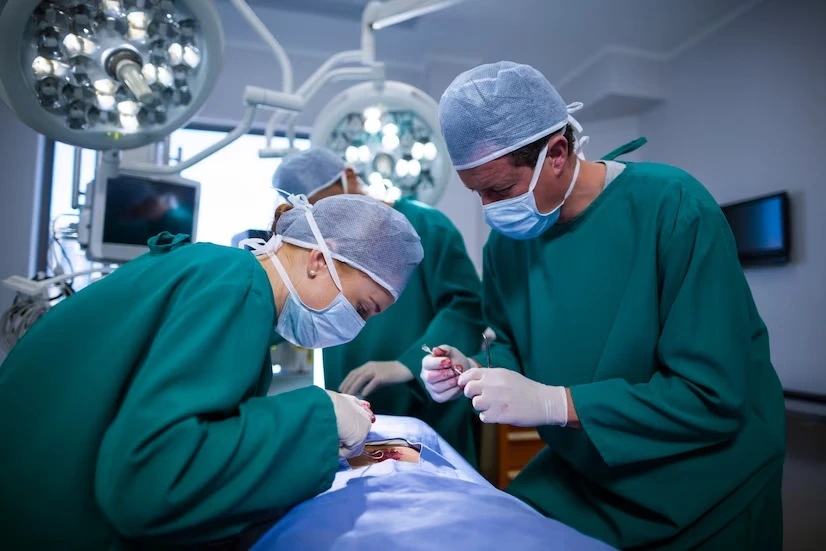
Femoral and inguinal hernia are groin hernia as they appear in the groin area of the body, especially in the inner thigh region. The major difference between femoral and inguinal hernia is that the femoral hernia protrudes through the femoral canal and the inguinal hernia through the inguinal canal in the groin. Both hernias occur due to the contents in the abdomen, primarily the omentum and parts of the bowels, penetrating through a weak spot in the abdominal wall to the groin area. Difference Between Femoral and Inguinal Hernia FEMORAL HERNIA INGUINAL HERNIA A hernia that protrudes through the femoral canal in the groin. A hernia that protrudes through the inguinal canal in the groin. Occurs mostly in females. Occurs mostly in males. Contents of the hernia push through the weak spot in the abdominal muscle into the femoral canal. Contents of the hernia push through the weak spot in the abdominal muscle into the inguinal canal. Have a higher risk of strangulation. The risk of strangulation is lesser than a femoral hernia. Identified through a soft swelling below the inguinal ligament. Identified through a bulge in the groin. Causes enlarged scrotum in men. Most femoral hernias are asymptomatic. Causes considerable discomfort. Requires surgery most of the time as it is highly prone to incarceration. Bearable without surgery if discomfort does not prolong. Caused by pregnancy, weight gain, muscle strain, etc. Is congenital in children. Caused by increasing age, chronic cough, constipation, heavy lifting, obesity, etc. The hernia sac consists of the omentum mostly. The hernia sac consists of bowel parts. Symptoms of Femoral and Inguinal Hernia The symptoms of both femoral and inguinal hernia are more or less the same. They are either reducible or irreducible also. Reducible hernias can be pushed back through the abdominal wall whereas irreducible hernias cannot be. Irreducible hernias have higher risks of being obstructed or strangulated. A femoral hernia becomes visible as a bulge during coughing or straining. It is asymptomatic most of the time but can turn painful if it becomes obstructed or strangulated. An inguinal hernia appears as a bulge on the side of the pubic bone and causes a burning sensation or pain in the groin region. It can cause pain and swelling around the testicle region for men. An inguinal hernia can also descend through the scrotum and make it enlarged. It also causes huge pain while standing for a long time. Causes of Femoral and Inguinal Hernia Femoral and inguinal hernia have similar reasons for occurrence. Only that women are more prone to femoral hernia and men are more prone to inguinal hernia. Causes of Femoral Hernia Femoral hernias are caused by: Obesity Multiple pregnancies Chronic constipation Heavy lifting Strenuous activities or exercises Causes of Inguinal Hernia Inguinal hernias are caused by: Heavy lifting Strain of the abdominal muscles Obesity Pregnancy Chronic coughing Treatment for Femoral and Inguinal Hernia Femoral and inguinal hernia can be operated upon if they cause much pain and discomfort. Also, to prevent obstruction and strangulation it is wiser to operate on the hernia in due time. There are advanced surgical methods available to repair these hernias. Some include: Open surgery Laparoscopic surgery or keyhole surgery Robotic surgery Treatments for Femoral Hernia Smaller hernias may not require surgical repair. However, large and discomforting femoral hernia can be operated on through either open or laparoscopic surgery based on the severity of the hernia and the urgency to repair it. Treatments for Inguinal Hernia Inguinal hernia can be repaired through open and laparoscopic surgeries. There are three kinds of hernia repair: Herniotomy: Hernial sac is removed. Herniorrhaphy: Hernial sac is removed alongside repairing the posterior wall of the inguinal canal. Hernioplasty: a synthetic mesh is used to reinforce the posterior wall of the inguinal canal. Recovery Time for Femoral and Inguinal Hernia You can recover from femoral and inguinal hernia repair within a few weeks. The advanced surgical procedures have reduced recovery time and guarantee speedier recovery with minimal infection and pain You may have to avoid driving until you are weaned off painkillers. You can resume work but stay away from lifting heavy weights. Conclusion Femoral and inguinal hernias can be treated easily with the latest surgical procedures available today. So it is not to be worried about. Incorporate a healthy lifestyle by reducing weight that causes straining of the hernia, adopting a healthy diet, and so on. Follow the advice of the hernia specialist and have a healthy and speedy recovery. To clear your queries on femoral and inguinal hernias contact a hernia specialist. Contact Form NameEmailPhone NoYour MessageBook Consultation Dr. K. Amilthan MBBS., MS., FMAS., FALS. Heal Your Hernia Now: 15+ Years of Experience 3,000+ Surgeries Your Journey to Wellness Begins with us. Book Appointment Edit Template FAQ’s 1) How can you tell the difference between an inguinal and a femoral hernia? Both inguinal and femoral hernia appear in the groin region with contents of the abdomen forming a bulge of the hernia sac. The femoral hernia appears a bit lower than the inguinal hernia region. The inguinal hernia passes through the inguinal canal and the femoral hernia through the femoral canal. 2) Is femoral the same as inguinal hernia? No, the femoral hernia penetrates through the femoral canal whereas the inguinal hernia passes through the inguinal canal. 3) Is a femoral hernia a type of inguinal hernia? No, a femoral hernia is not a type of inguinal hernia. It is a groin hernia that occurs lower to the inguinal hernia region and through the femoral canal. Dr. Amilthan Dr. Amilthan is a renowned laparoscopic hernia surgeon based in Chennai, with over 15+ years of experience in general surgery. He completed his MBBS and MS in General Surgery at Kilpauk Medical College and Government Royapettah Hospital in Chennai. Edit Template All Posts Hernia Blog MAYDL’S HERNIA A hernia occurs when an organ or any other part of your body pushes through the muscle and surrounding tissue… Read More Gilbert Classification of Hernia An inguinal hernia occurs when the organs push through and
Clinical Features of Femoral Hernia
A femoral hernia, also called femorocele, is a type of hernia that occurs in the femoral canal of the human body. The protrusion of the abdomen content through the femoral canal characterizes a femoral hernia. There are upgraded medical technologies available to treat femoral hernias today. So, if you are diagnosed with a femoral hernia, you do not have to worry. Grasp adequate knowledge of femoral hernia and prepare for the treatment without fear. Understanding of Femoral Hernia A femoral hernia occurs when the content of the abdomen slips through a weak spot in the abdominal wall and passes through the femoral canal. The femoral canal is in the inner thigh region parallel to the pubic bone and consists of the femoral artery, veins, and nerves. The content of the femoral hernia consists of the omentum or parts of the bowels. Symptoms of Femoral Hernia If the femoral hernia is small and reducible, it does not cause much pain. You can manage an asymptomatic hernia without treatment. When the femoral hernia is large, it can be highly discomforting and cause pain when you stand for long or lift heavy objects. A large femoral hernia is visible as a bulge on the body’s surface. Symptoms of a severe femoral hernia include Nausea Vomiting Severe abdominal pain Severe groin pain, etc. Causes of Femoral Hernia A femoral hernia is caused by: Pregnancy weight Obesity Weak abdominal wall Chronic constipation Heavy lifting, etc. Femoral Hernia Complications A femoral hernia is not complicated until it turns symptomatic and incarcerated or strangulated. An obstructed or strangulated femoral hernia can turn fatal and call for immediate medical attention. Obstructed Femoral Hernia An obstructed femoral hernia indicates that the content of the hernia is stuck inside the femoral canal and cannot return to its original position. Strangulated Femoral Hernia A strangulated hernia means that the content of the hernia is stuck in the femoral canal and the blood supply is cut. This can cause the death of the tissues in the region and turn fatal. Treatment for Femoral Hernia There are both surgical and non-surgical options available to treat femoral hernia. Surgical Options Surgical options for treating a femoral hernia include: Laparoscopic surgery Open surgery Robotic surgery Laparoscopic and robotic surgery are minimally invasive and widely preferred. Open surgery is preferred in complicated scenarios. In femoral hernia surgery, the contents of the hernia are pushed back to the original position, and the hole is meshed to prevent future hernia. Non-Surgical Options The non-surgical option is available only for the femoral hernia that is small, asymptomatic, and bearable. You would have to follow the advice of the hernia specialist regarding this case on how to take care of a femoral hernia without surgery. Also, take the prescribed medication to ease the possible discomfort of the hernia and prevent the hernia from getting severe. Recovery Time After Femoral Hernia Treatment If minimal invasive techniques are employed to treat the femoral hernia, you can recover within two weeks of surgery. With minimally invasive technology, the recovery period is quicker, with little post-surgical pain as well. Conclusion Women are more prone to femoral hernia than men. Small femoral hernias are asymptomatic most of the time. But when it gets large and the severity of discomfort increases, you may have to consult a hernia specialist and get treated to prevent incarceration or strangulation. To stay carefree from femoral hernia, adopt a healthy lifestyle and diet, exercise, and maintain a healthy BMI (Body Mass Index). You can always undertake a hernia repair if required. To know more about femoral hernia and how to treat it, consult a hernia specialist. Contact Form NameEmailPhone NoYour MessageBook Consultation Dr. K. Amilthan MBBS., MS., FMAS., FALS. Heal Your Hernia Now: 15+ Years of Experience 3,000+ Surgeries Your Journey to Wellness Begins with us. Book Appointment Edit Template FAQ’s 1) What is the clinical test for femoral hernia? Ultrasound can help assess the bulge in the groin area if you suspect it to be a femoral hernia. If there are no visible bulges, you can use imaging tests to confirm. 2) What is the characteristic shape of a femoral hernia? A femoral hernia usually has a funnel-shaped neck protruding from the femoral canal. 3) What is the most common site of femoral hernia? The most common site of femoral hernia is the upper part of the inner thigh where the femoral canal lies. Dr. Amilthan Dr. Amilthan is a renowned laparoscopic hernia surgeon based in Chennai, with over 15+ years of experience in general surgery. He completed his MBBS and MS in General Surgery at Kilpauk Medical College and Government Royapettah Hospital in Chennai. Edit Template All Posts Hernia Blog MAYDL’S HERNIA A hernia occurs when an organ or any other part of your body pushes through the muscle and surrounding tissue… Read More Gilbert Classification of Hernia An inguinal hernia occurs when the organs push through and bulge against the weak muscles of the abdomen. An effective… Read More Difference Between Hernia And Appendix Whether you have a hernia or appendicitis, the main symptom you will experience is stomach pain. So, it might be… Read More Load More End of Content.
Femoral Hernia in Child
Femoral hernias are rare groin hernias and are rarer in children. Femoral hernia in children may occur due to openings in the abdominal wall that did not close after birth most of the time. Femoral hernias can be treated efficiently with the latest advanced medical procedures available. However, femoral hernias in children are often misdiagnosed as inguinal hernias and this calls for caution. So, if your child is diagnosed with a groin hernia, urge the physician to ensure whether it is an inguinal hernia or a femoral hernia before proceeding with the hernia treatment. Are Femoral Hernias Common Issues in Children? No, Femoral hernias in women are more common than in children. Femoral hernias are rarer than inguinal hernias and occur most often in women owing to pregnant weight gain strain, obesity, or other issues. Even if femoral hernias occur in children it is mainly due to unclosed openings in the abdominal wall of the child after birth. The hernia may develop immediately after birth or after years during childhood when the child begins to strain itself while playing or coughing incessantly. Understanding Femoral Hernias Femoral hernias are protrusions of abdominal content through the femoral canal. The content of the abdomen like the omentum or the bowels may pass through a weak spot in the abdominal wall and into the femoral canal that is located in the upper part of the inner thigh region. The femoral canal consists of the femoral artery, veins, and nerves and is narrower. This makes the femoral hernia prone to quicker incarceration or strangulation. Causes of Femoral Hernia in Children The rudimentary reason for the cause of a femoral hernia in children is the nonclosure of an opening in the abdominal wall after birth. Other possible reasons for the occurrence of femoral hernia in children include Carrying or pushing heavy weights Straining of the abdomen due to constipation Chronic cough Obesity Factors known or unknown that cause the straining of the lower abdomen can cause femoral hernia in children. Symptoms of Femoral Hernia in Children Femoral hernia is often asymptomatic. A bulge may appear in the upper thigh region parallel to the pubic bone. If the femoral hernia is reducible, the bulge may disappear while lying down or while not straining. If the femoral hernia is irreducible, there is a possibility for the hernia to have turned obstructed or strangulated. Femoral hernias have higher chances of becoming incarcerated or strangulated owing to their narrower necks. So it is advisable to treat femoral hernias as soon as possible on diagnosis. Symptoms that indicate that the femoral hernia is turning severe include Vomiting Nausea Severe abdominal pain Treatment for Femoral Hernia in Children Femoral hernia can be treated through minimally invasive procedures such as laparoscopic surgery or robotic surgery. The open surgical option is available as well. Yet surgeons go for laparoscopic surgery as the surgery is elective most of the time and do not demand an open surgery owing to urgency. The crucial part of femoral hernia treatment is the diagnosis part as femoral hernia in children goes misdiagnosed most of the time. Imaging tests like ultrasonography are therefore employed for accurate diagnosis before proceeding with femoral hernia surgery. Recovery from Femoral Hernia Repair The recovery period for femoral hernia repair is approximately two weeks for adults. In the case of children, the recovery period may be more than two weeks. But with minimally invasive surgical options the post-operative pain and complications are less and the recovery period is quicker. How to Prevent Femoral Hernia in Children You can check for weak abdominal spots in babies during birth and take the necessary medical precautions available to prevent future hernia development in children. At times, femoral hernias are unexpected. So there are no magic solutions that ensure the prevention of femoral hernias. Yet kids can be encouraged to not strain their bodies, maintain a healthy BMI (Body Mass Index), and take medications that prevent chronic coughing or constipation. Conclusion Femoral hernia in children is rare, but when it occurs, it can be treated through minimally invasive surgical procedures. Know the clinical features of a femoral hernia help for early diagnosis and treatment. If your child is diagnosed with a weak abdominal wall during birth, reach out for medical support and prevent future hernia. To know more about femoral hernia in children and how to prevent them, contact a hernia specialist. Contact Form NameEmailPhone NoYour MessageBook Consultation Dr. K. Amilthan MBBS., MS., FMAS., FALS. Heal Your Hernia Now: 15+ Years of Experience 3,000+ Surgeries Your Journey to Wellness Begins with us. Book Appointment Edit Template FAQ’s 1) What is the average age for a femoral hernia? The prevalence of femoral hernia increases with age. People around 60 and 70 years of age suffer from it mostly. 2) Is a femoral hernia serious? As long as a femoral hernia is reducible it is not serious. When the femoral hernia becomes discomforting and irreducible it demands surgical intervention. The narrower neck of the femoral hernia turns it severe most of the time. 3) Can a femoral hernia heal itself? Hernias do not heal on their own. You can bear the hernia without any surgery if it is not discomforting. Dr. Amilthan Dr. Amilthan is a renowned laparoscopic hernia surgeon based in Chennai, with over 15+ years of experience in general surgery. He completed his MBBS and MS in General Surgery at Kilpauk Medical College and Government Royapettah Hospital in Chennai. Edit Template All Posts Hernia Blog Herniotomy Surgery A hernia is a bulge or swelling that happens when an organ or tissue pushes through a weak muscle and… Read More Bochdalek Hernia Bochdalek hernia or posterolateral diaphragmatic hernia is prominently a congenital defect, although it can also develop in adults. Bochdalek hernia… Read More Incisional Hernia After Laparoscopic Surgery Incisional hernia after laparoscopic surgery is a condition that can develop when a surgical incision in the abdominal wall does not… Read More Load More End of Content.
Femoral Hernia in Women
Femoral hernias are a type of groin hernia that occurs mostly in women. Femoral hernias are characterized by the abdominal content protruding through the femoral canal. Women are more prone to the abdominal content passing through the femoral canal because of their wide pelvis Femoral hernias are asymptomatic most of the time. But when it does it requires urgent surgical intervention due to obstruction or strangulation. While femoral hernias also occur in children. Are Femoral Hernias Common in Women? Yes, women can also experience hernias, and femoral hernias are actually more common in women than in men. The femoral canal is located below the inguinal canal in the upper part of the inner thigh, parallel to the pubic bone. Due to the wider pelvic structure in women, abdominal contents are more likely to slip through the femoral canal. Understanding Femoral Hernias The weak spot in the abdominal wall may give way to the content of the abdomen to descend into the femoral canal. This causes femoral hernias. The content of the abdomen may contain the omentum or parts of the bowels. The femoral canal consists of the femoral artery, veins, and nerves, and due to its narrow space, it causes easy incarceration or strangulation of the hernia. Causes and Risk Factors of Femoral Hernia in Women Femoral hernia in women may be caused due to factors such as Weak abdominal muscles Multiple pregnancies Obesity Heavy lifting Strenuous activities Chronic constipation Chronic cough Incarceration and strangulation turn the hernia into a risk factor. Incarceration is when the content of the hernia gets stuck in the femoral canal and cannot return to its original place. Strangulation refers to the cut-off of blood supply to the tissues stuck in the hernia leading to death. Incarcerated and strangulated hernia demand immediate medical intervention. Symptoms and Complications of Femoral Hernia in Women Femoral hernias are asymptomatic most of the time. It can identified through bulging near the upper part of the inner thigh near the groin area. When the hernia is small and reducible it causes no discomfort. When it gets symptomatic and discomforting it means that the hernia is either being incarcerated or strangulated. A strangulated or incarcerated hernia can be identified through Frequent vomiting Nausea Chronic local and abdominal pain Treatment for Femoral Hernia in Women Femoral hernias though symptomatic or asymptomatic must be operated upon on diagnosis without delay. This is because femoral hernias can get strangulated easily due to the narrow femoral canal. The surgical options available to repair femoral hernias include Open surgery Laparoscopic surgery Robotic surgery Recovery from Femoral Hernia Repair Surgeons prescribe laparoscopic surgery most often unless an open surgery is required. With minimally invasive surgeries such as laparoscopic and robotic surgeries the recovery period is often less along with fewer post-operative complications. It may take more than a month for full recovery from the surgery. But a two-week rest is sufficient to return to routine work. You can also take up driving after stopping pain medications. Prevention and Lifestyle Modifications Femoral hernias may occur unexpectedly. But making sure that your abdominal wall is strong enough to hold its contents inside can be a good way of making sure that hernia is prevented. Bad lifestyle habits also influence hernia development. So make sure to Eat a balanced and healthy diet Avoid strenuous activities Do moderate exercises Maintain a healthy BMI (Body Mass Index) Address chronic cough and constipation, etc. Conclusion Femoral hernia is a less common groin hernia and women are more prone to it. A femoral hernia becomes complicated only when it gets incarcerated or strangulated. Femoral hernias can be repaired through minimally invasive surgeries and it is best to operate on them as early as possible. Avoiding straining the femoral hernia region and focusing on improving overall health can help relieve the discomfort caused due to femoral hernia To know more about femoral hernias caused in women and how to prevent them, contact a hernia specialist. Contact Form NameEmailPhone NoYour MessageBook Consultation Dr. K. Amilthan MBBS., MS., FMAS., FALS. Heal Your Hernia Now: 15+ Years of Experience 3,000+ Surgeries Your Journey to Wellness Begins with us. Book Appointment Edit Template FAQ’s 1) At what age do women get femoral hernias? Femoral hernia is prevalent among women around 60 and 70 years of age though women can get femoral hernias at any age. 2) Which hernia is very common in females? Inguinal hernia is very common in females followed by femoral hernias. 3) Can hernia affect periods? Hernias, especially inguinal and femoral hernias may increase period pain due to its position near the pelvic region. Other than that there are no direct effects of hernia on periods. 4)Can a femoral hernia go away on its own? A femoral hernia generally does not repair itself. The appropriate management depends on the patient’s symptoms, hernia characteristics and clinical assessment. Dr. Amilthan Dr. Amilthan is a renowned laparoscopic hernia surgeon based in Chennai, with over 15+ years of experience in general surgery. He completed his MBBS and MS in General Surgery at Kilpauk Medical College and Government Royapettah Hospital in Chennai. Edit Template All Posts Hernia Blog Herniotomy Surgery A hernia is a bulge or swelling that happens when an organ or tissue pushes through a weak muscle and… Read More Bochdalek Hernia Bochdalek hernia or posterolateral diaphragmatic hernia is prominently a congenital defect, although it can also develop in adults. Bochdalek hernia… Read More Incisional Hernia After Laparoscopic Surgery Incisional hernia after laparoscopic surgery is a condition that can develop when a surgical incision in the abdominal wall does not… Read More Load More End of Content.
Recurrent Hernia Vs Incisional Hernia
Hernia is the protrusion of the abdominal content through the weak spots in the abdominal wall. Hernias are treated immediately most of the time to prevent any fatal consequences. However, there are chances for the repaired hernia to recur due to unfortunate reasons. The hernia that recurs is called a recurrent hernia. Hernias can also occur in the abdominal sites of previous surgical scars. Such hernias are called incisional hernias. Difference Between Recurrent Hernia and Incisional Hernia Recurrent hernias can occur on any site of the body where a hernia had occurred earlier. It could be a recurrent umbilical hernia, inguinal hernia, femoral hernia, or incisional hernia. Incisional hernias occur on the site of incisions from previous surgeries. Incision hernias are mostly ventral hernias. Recurrent hernias occur in previous hernia sites. Incisional hernias occur in previous abdominal surgery sites. Symptoms of Recurrent and Incisional Hernias The symptoms of recurrent and incisional hernias are similar. Only the site where the symptoms appear differs between these two kinds of hernia. Symptomatic recurrent and incisional hernias are to be treated as soon as possible to prevent strangulation or obstruction. An obstructed hernia indicates a part of the bowel getting stuck in the hernia sac. Strangulation indicates the cut off of blood supply to the tissues of the organ caught in the hernia sac. When the hernia gets complicated the pain increases accompanied by various discomforting symptoms. Symptoms of Recurrent Hernia Symptoms of a recurrent hernia include Pain in the area of a past hernia Bulging in or near the area of the hernia repair site of the body Nausea Bloating Constipation Vomiting Symptoms of Incisional Hernia Symptoms of an incisional hernia include Pain or discomfort in the region of the abdomen with incision scar Bulging in the incision area Nausea Vomiting Bloating Constipation Diarrhea Causes of Recurrent and Incisional Hernia Both recurrent and incisional hernias occur due to weak abdominal spots that did not strengthen after surgery. However, other factors contribute to the rise of recurrent and incisional hernias as well. Causes of Recurrent Hernia The risk factors for a recurrent hernia include Obesity Pregnancy after hernia surgery Diabetes or renal diseases Smoking Involvement in physically draining activities Poor previous hernia repair Causes of Incisional Hernia The factors that cause incisional hernia include Weak abdominal muscles Chronic coughing Constipation Smoking Unhealed abdominal surgery wounds Infection or injury to abdominal incision wounds Obesity Diabetes or renal diseases Involvement in physically strenuous activities Treatment for Recurrent and Incisional Hernia The treatment for any kind of hernia is surgery. It could be a minimally invasive laparoscopic surgery or open surgery. Open hernia surgery is suggested in case of complicated recurrent and incisional hernias. Ultimately, the site and severity of the hernia influence the choice of the surgery. Treatment for Recurrent Hernia In the case of a recurrent hernia, a hernia revision surgery will be suggested as the most effective treatment for recurrent hernia. A recurrent hernia can cause significant discomfort and pain, so it is advisable to address the hernia electively with proper treatment before complications arise. Treatment for Incisional Hernia An incisional hernia can be operated through open and minimally invasive surgeries. The choice of surgery depends upon the severity of the incisional hernia. Recovery Time for Recurrent and Incisional Hernia The recovery period for both recurrent and incisional hernia is based on factors such as: Choice of surgery Age of the patient Health of the patient Presence of other ailments, etc. Minimally invasive surgeries ensure a faster recovery rate and less pain. Open surgeries may demand a longer recovery period. Conclusion Both recurrent and incisional hernias occur in a previously operated part of the body. A recurrent hernia can occur in any part of the body whereas an incisional hernia occurs in the abdominal region. Recurrent and incisional hernias occur due to poor suturing during the previous surgery most of the time. So, it is wiser to get a hernia repair or any surgery from an experienced surgeon. Also, many latest techniques have evolved in the field of hernia repair that minimize the recurrence of the hernias. Get treated for hernia as early as possible to prevent painful and fatal complications. Contact Form NameEmailPhone NoYour MessageBook Consultation Dr. K. Amilthan MBBS., MS., FMAS., FALS. Heal Your Hernia Now: 15+ Years of Experience 3,000+ Surgeries Your Journey to Wellness Begins with us. Book Appointment Edit Template FAQ’s 1) What is another name for an incisional hernia? Incisional hernias are also called ventral hernias as they appear on the front of the abdomen. 2) What is the difference between inguinal and incisional hernias? An inguinal hernia occurs in the inguinal canal present in the inner thigh. An incisional hernia appears on the abdomen and is called a ventral hernia. 3) Does a recurrent hernia need surgery? Recurrent hernia needs surgery to prevent complications such as pain, bleeding, and possible death. 4)Can an incisional hernia come back after surgery? Hernias can recur after repair. The risk depends on several factors, including the hernia characteristics, surgical technique and individual patient factors. Dr. Amilthan Dr. Amilthan is a renowned laparoscopic hernia surgeon based in Chennai, with over 15+ years of experience in general surgery. He completed his MBBS and MS in General Surgery at Kilpauk Medical College and Government Royapettah Hospital in Chennai. Edit Template All Posts Hernia Blog Herniotomy Surgery A hernia is a bulge or swelling that happens when an organ or tissue pushes through a weak muscle and… Read More Bochdalek Hernia Bochdalek hernia or posterolateral diaphragmatic hernia is prominently a congenital defect, although it can also develop in adults. Bochdalek hernia… Read More Incisional Hernia After Laparoscopic Surgery Incisional hernia after laparoscopic surgery is a condition that can develop when a surgical incision in the abdominal wall does not… Read More Load More End of Content.

Burst Abdomen and Incisional Hernia
Burst abdomen and incisional hernia occur as a result of a weakened or damaged surgical wound site on the abdomen. A burst abdomen is an acute surgical wound failure, whereas an incisional hernia is a chronic surgical wound failure. Both the burst abdomen and incisional hernia cases cause the contents of the abdomen to protrude through the wound’s opening, and both require surgical intervention to prevent fatal consequences. A burst abdomen is characterized by the literal opening of the incision. An incisional hernia is characterized by a tender bulge at or near the area of the surgical incision. The feeling of pain or discomfort at the site of the surgical incision indicates either the possibility of a burst abdomen or an incisional hernia. What is a Burst Abdomen? A burst abdomen is also called Abdominal Wall Dehiscence (AWD). If you feel intense pain or discomfort in the area of the abdominal surgical incision accompanied by the feeling of tissue tearing, it is a burst abdomen scenario. A burst abdomen may be a superficial tear of the skin with blood oozing out of the wound, or it could be severe by the incision exposing the contents of the abdomen. A burst abdomen requires immediate medical treatment as it can get complicated over time. What is an Incisional Hernia? An incisional hernia occurs when the contents of the abdomen such as the omentum or part of the bowel, protrude through the weak spot of the surgical incision on the abdominal wall. An incisional hernia is characterized by a tender bulge on the abdomen. The bulge is called the hernia sac, where the protruding contents of the abdomen lie. An incisional hernia can be managed without surgery if it is asymptomatic. But it can grow complicated and cause obstruction, incarceration, or strangulation. So, a timely intervention of an incisional hernia treatment is highly recommended. Causes of a Burst Abdomen A burst abdomen is caused by an unhealed incision wound on the abdomen. The incision wound would not heal due to reasons such as: Improper closing of the abdominal incision Surgical wound infection Ischemia Increased abdominal pressure Diabetes Smoking Obesity Malnutrition, etc. Causes of an Incisional Hernia An incisional hernia on the abdomen occurs due to reasons such as Weak abdominal wall Improper closing of the surgical incision Diabetes or renal diseases Smoking Obesity Strenuous physical activities that pressurize the abdomen wall, etc. Symptoms of a Burst Abdomen The symptoms of a burst abdomen include Discharge of blood or serum from the surgical wound Pain in the belly Felling of the wound tearing or ripping Low blood pressure, etc. Symptoms of an Incisional Hernia The symptoms of an incisional hernia in females can vary, but commonly include: Pain or discomfort at or near the area of the incision scar A tender bulge at the site of the incision Nausea Vomiting Constipation Fever Diarrhea, etc. Treatment for a Burst Abdomen A burst abdomen is sutured to prevent the discharge of blood through the incision. It corrects the fascial dehiscence. The kind of suturing and the surgical technique to be employed depends upon the condition of the burst abdomen on diagnosis and the prescription of the surgeon. Treatment for an Incisional Hernia The treatment for an incisional hernia is based on the severity of the condition. A common question patients have is, does incisional hernia require surgery? In most cases, surgery is recommended, and both minimally invasive and open surgical approaches are used to treat incisional hernias. Even if the hernia is asymptomatic, it can become symptomatic over time. Therefore, it is advisable to consider elective or planned surgery to treat the incisional hernia as soon as possible. Conclusion Advanced surgical techniques are available today to treat a burst abdomen or an incisional hernia. A burst abdomen and an incisional hernia can get complicated at times. So, if you are diagnosed with a burst abdomen or an incisional hernia scenario and are in a dilemma about whether or not to take up surgery, consult a hernia specialist to know the severity of your ailment and the need to treat it. Living with a discomforting abdominal wall can hinder your everyday routine. So, take up an appropriate treatment to address a burst abdomen or an incisional hernia. To know more about burst abdomen and incisional hernia and the treatments available to treat them, contact a hernia specialist. Contact Form NameEmailPhone NoYour MessageBook Consultation Dr. K. Amilthan MBBS., MS., FMAS., FALS. Heal Your Hernia Now: 15+ Years of Experience 3,000+ Surgeries Your Journey to Wellness Begins with us. Book Appointment Edit Template FAQ’s 1) What is the difference between a burst abdomen and an incisional hernia? A burst abdomen causes the discharge of blood through the incision wound. In an incisional hernia case, there is no visible bleeding but a tender bulge near or at the site of the incision. 2) What are the symptoms of a burst abdomen? A burst abdomen is characterized by discharge of blood, tearing of the incision wound, pain at the site of the incision, etc. 3) What causes a burst abdomen or an incisional hernia? The major causes of a burst abdomen or an incisional hernia are weak abdominal muscles and improper suturing of the surgical incision. Dr. Amilthan Dr. Amilthan is a renowned laparoscopic hernia surgeon based in Chennai, with over 15+ years of experience in general surgery. He completed his MBBS and MS in General Surgery at Kilpauk Medical College and Government Royapettah Hospital in Chennai. Edit Template All Posts Hernia Blog Incisional hernia after C-section An incisional hernia that occurs after a C-section is called a postpartum hernia. It is a complication that arises due… Read More MAYDL’S HERNIA A hernia occurs when an organ or any other part of your body pushes through the muscle and surrounding tissue… Read More Gilbert Classification of Hernia An inguinal hernia occurs when the organs push through and bulge against the weak muscles of the abdomen. An effective… Read More Load More End of Content.
Can you get Pregnant With a Hernia
You can get pregnant with a hernia but it is best to get your hernia repaired before getting pregnant. If you are planning pregnancy and have a hernia issue diagnosed, consult a hernia specialist and get your hernia repaired. This is because hernias can get complicated over time which can trouble your pregnancy. Hernias that are small and asymptomatic can be managed without surgery until you recover from your pregnancy after childbirth. But if the hernia case is serious, sort it out with your obstetrician and hernia surgeon about how to go with the hernia repair. Can You Get Pregnant With a Hernia? Yes, you can get pregnant with a hernia but the best suggestion would be to get the hernia repaired before pregnancy. Incarceration, obstruction, and strangulation of hernia can put the mother and child at risk most of the time. So to avoid adverse scenarios during pregnancy due to hernias it is advisable to get hernia repair before pregnancy. Does Hernia Impact Pregnancy? Yes, hernias can have a significant impact on pregnancy. Risking the pregnancy through incarceration, obstruction or strangulation is one impact. Other than that hernias can cause pain or discomfort, and add nausea, vomiting, or constipation to the already manifesting pregnancy symptoms. How long after hernia surgery can i get pregnant It’s generally recommended to wait at least 3 to 6 months after hernia surgery before trying to get pregnant. This allows your body adequate time to heal and reduces the risk of complications. However, the exact timeline can vary depending on the type of hernia, the surgery performed, and your overall health. Always consult your doctor for personalized advice. How to Have a Safe Pregnancy After Hernia Repair? To have a safe pregnancy after a hernia repair make sure to: Maintain a sound abdominal wall tone Eat a protein-rich diet Do moderate exercising Have your diabetes in control Avoid smoking Maintain a healthy BMI (Body Mass Index) Inform the obstetrician about the hernia repair The Causes of Hernia During Pregnancy You can get a hernia during pregnancy too, that is, pregnancy can cause a hernia most times. This is due to: Weak abdominal wall Defective abdominal wall from birth Increased abdominal pressure due to the growing womb Abdominal fluid Obesity Chronic cough Chronic constipation Heavy lifting, etc. Signs and Symptoms of a Hernia During Pregnancy The symptoms of a hernia during pregnancy include: A visible bulge Pain or discomfort in the local and adjacent region Naueas Vomiting Constipation, etc. Some women may not feel any pain because of the hernia. Others may find a visible bulge of the hernia with some pain in that region. The signs of a hernia will become prominent when you engage in active exercise, bend, sneeze, cough, or laugh heavily. Should a Hernia Be Fixed When You Are Pregnant? Fixing a hernia during pregnancy requires careful consideration of the timing and kind of hernia repair method employed. There are three options of hernia repair methods to choose from in case the hernia demands surgery during pregnancy. Using mesh to fix the hernia Using bioabsorbable mesh Using sutures to repair the hernia Using a synthetic mesh can lower the recurrence of the hernia but the mesh may hinder the pregnancy process. Sutures on the other hand have a higher hernia recurrence rate. Also, the hernia repair can be done only during the second trimester of pregnancy. Repairing a hernia during the first trimester may cause miscarriage and doing it during the trimester can cause pre-term labor. So, it is best to consult the obstetrician and a hernia specialist before deciding on the kind and method of hernia surgery. Can a Hernia Be Repaired During a C-section? For women experiencing a hernia after C-section, it’s possible to repair the hernia during the same surgical procedure. This combined approach is often recommended for severe hernias requiring immediate attention. While it may extend the overall surgery time, it’s generally considered safe when performed by qualified specialists. However, the decision to repair a hernia during a C-section should always be made in consultation with your healthcare providers Conclusion Hernias during pregnancy or while planning pregnancy can be a nuisance. Since there are possibilities for the hernia to hinder your pregnancy, it is only best to not take the hernia issue lightly. Women who are of reproductive age and are planning pregnancy must get checked for hernia before getting pregnant. Contact your obstetrician immediately, followed by consulting a hernia specialist if you experience any symptoms of a hernia. To know more about hernia before or during pregnancy contact a hernia specialist. Contact Form NameEmailPhone NoYour MessageBook Consultation Dr. K. Amilthan MBBS., MS., FMAS., FALS. Heal Your Hernia Now: 15+ Years of Experience 3,000+ Surgeries Your Journey to Wellness Begins with us. Book Appointment Edit Template FAQ’s 1) What happens if I have a hernia and get pregnant? If the hernia is mild and does not cause much discomfort, it is not a problem to the pregnancy. But if your hernia gets big and symptomatic, it can trouble your pregnancy. Hernia repair during the first and third trimesters are likely to be unsuccessful. So it is best to have your hernia repaired before getting pregnant. 2) Should I repair the hernia before pregnancy? It is good to repair a hernia before pregnancy to avoid any untoward situation during pregnancy due to the hernia. If you get your hernia repaired before pregnancy, you can plan your pregnancy and delivery accordingly. 3) Can a hernia stop you from having a baby? A hernia cannot stop you from having a baby unless it is obstructed, incarcerated, or strangulated. Fortunately, there are surgical methods available to relieve you from the adversities of a hernia and aid you in having a safe pregnancy. 4) Is hernia a problem in pregnancy? Yes, a hernia may get serious and pose a threat to the health of the mother and fetus during pregnancy. To avoid this unfortunate risk it is better to consult with our